
 EN
EN

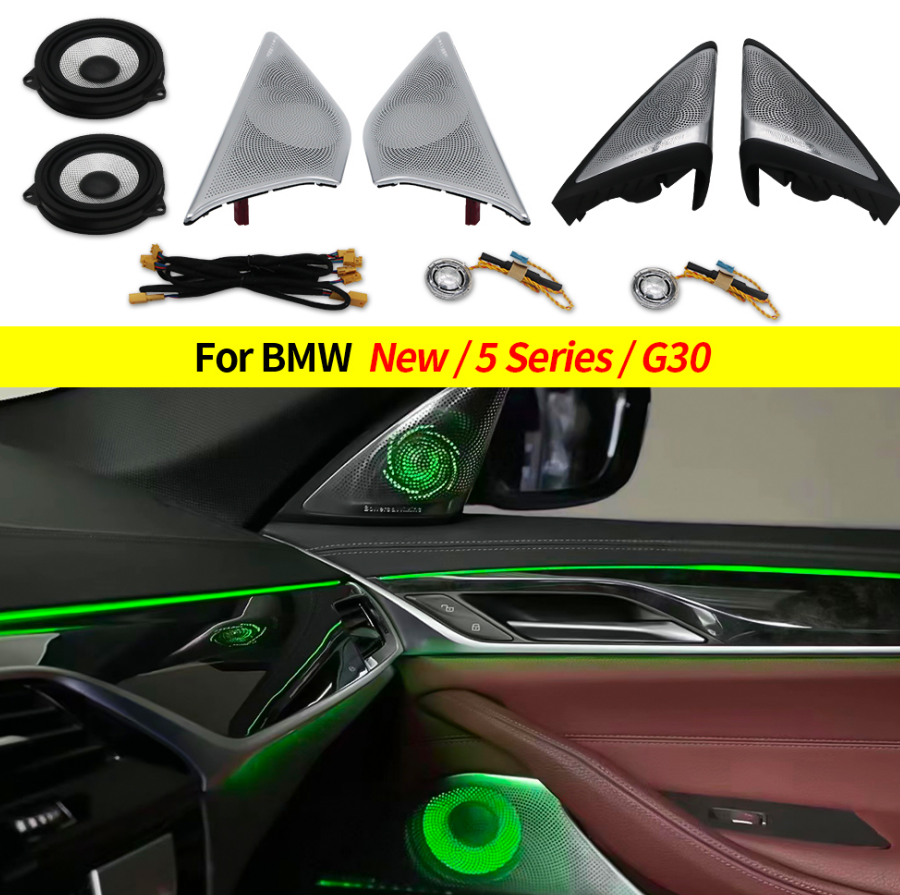
BMW Speaker Fitment: Matching Size, Depth, and Mounting to Your Model
Proper fitment ensures optimal sound quality and avoids installation issues. Different BMW series have unique speaker specifications.
Factory speaker dimensions and mounting constraints by BMW series (E90, F30, G30, etc.)
Speaker sizes in BMWs change quite a bit depending on which generation we're talking about. For example, the E90 models from 2005 to 2011 generally came with those small 5.25 inch front speakers that barely stick out more than 2.5 inches from the door. Then there are the F30 series cars made between 2012 and 2018 that often have bigger 6.5 inch rear speakers, but getting them installed right means matching exact bolt holes and cutouts down to the millimeter. Current G30 platforms since 2017 can handle deeper drivers going up to around 3 inches, although most doors just don't have enough room inside to make full use of that extra depth. Installers need to measure carefully because going too deep will cause all sorts of problems like annoying rattles, panels vibrating loose, or even water getting into the cabin through damaged seals. Before buying replacement speakers, always double check three things specifically: how big the hole is, how far back the speaker sits, and where those bolts actually line up. Don't trust what the box says alone.
Adapting aftermarket BMW speakers with brackets, spacers, and wiring harnesses
Most aftermarket speakers just won't fit right out of the box. That's where custom brackets come in handy for securing those bigger speakers when the factory hole is too small. Think about trying to squeeze a 6x9 speaker into a spot meant for something smaller like 5.25 or 6.5 inches. Spacers around half an inch to an inch thick help bridge the gap between different depths without messing up how the speaker sits or letting vibrations get through. Special wiring harnesses made for specific vehicles keep all those original connectors intact so there's no need to cut wires, which means better sound quality over time. These installation tricks not only keep the car doors looking good but also make it easier if someone wants to go back to stock later on, plus they help maintain the car's value, especially important when returning a leased vehicle or selling as certified pre-owned. When shopping around, look for installation kits designed specifically for the exact BMW model and trim level because this makes a big difference in both how stable everything feels mechanically and how consistent the sound remains across different driving conditions.
BMW Speaker Types: Coaxial vs Component Systems for Optimal Sound Staging
When coaxial BMW speakers deliver balanced performance without complexity
BMW coaxial speakers combine both the woofer and tweeter within one unit, so they fit right in place of stock components without needing any changes to the car's structure. The internal crossover helps maintain good balance between midrange sounds and treble frequencies, which works really well for installing in the back deck area or upgrading basic audio systems found in E90 and F30 models that didn't come with fancy sound equipment. What makes these speakers stand out is how straightforward they are to install yet still offer noticeable better sound quality and efficiency compared to factory setups. There's no need for complicated adjustments either, which saves time and money. For regular drivers who want decent audio performance without breaking the bank on expensive gear, coaxial speakers represent a smart solution that provides clean, clear music even when turned up to reasonable levels.
Why component BMW speakers excel in imaging, separation, and customization
When we talk about component speaker systems, what we're really doing is separating out the woofer, tweeter, and crossover components. This setup lets car audio enthusiasts place speakers exactly where they need them for best results. Think about mounting tweeters right up near the dashboard at ear level for example. And there's something called time alignment that makes the sound feel three dimensional in the cabin space. The external crossovers used here actually stop different drivers from fighting each other, which means cleaner bass response, clearer vocals when listening to music, and better separation between instruments in recordings. For folks working on BMW G30 models, especially ones equipped with premium factory systems from brands like Harman Kardon or Bang & Olufsen, these component setups can take advantage of the built-in amplifiers and digital signal processing capabilities already present in the vehicle. Sure, installing such a system takes some know how regarding proper speaker aiming angles, matching volume levels across all components, and getting the crossover settings just right. But once everything is sorted out, drivers experience a much more balanced acoustic environment inside their cars where sounds don't seem to come from one spot but instead fill the entire space evenly no matter where someone sits inside.
Power & Sensitivity Alignment: Optimizing BMW Speaker Performance with Factory or Aftermarket Sources
Matching RMS Power Handling and Sensitivity (dB/W/m) to BMW’s OEM Head Unit or Amplifier Output
Most factory installed BMW head units put out around 10 to 15 watts RMS per channel. That means they need speakers with pretty high sensitivity (at least 90 dB at 1 watt from 1 meter away) just to get decent volume without distortion issues. When someone installs an aftermarket amplifier with 50 to over 100 watts RMS, things change quite a bit. The focus moves from sensitivity to how well the speakers handle power and manage movement. Lower sensitivity speakers can actually sound better because they start revealing details and dynamics that were hidden before due to the limitations of stock systems. If a low sensitivity speaker doesn't get enough power, it compresses the sound and creates muddy bass tones. On the flip side, giving too much power to a high sensitivity speaker might cause it to overheat and fail completely. The key takeaway here is matching speaker sensitivity with actual clean power availability, not those inflated peak rating numbers, if we want consistent performance and make sure everything lasts longer.
Avoiding Distortion and Underperformance: Real-World Power-Sensitivity Synergy for BMW Speakers
When speakers really work together, they take the power coming in and turn it into clear sound without all that distortion we hate so much. Not just blasting things louder! Factory installed systems tend to do better when they're designed efficiently enough to keep sounds clean even at lower volume levels. For those who like to amp things up though, good speakers need to handle bigger movements and stay controlled through their suspensions. Systems that hit below 1% total harmonic distortion throughout our hearing range actually make a huge difference. They preserve how voices sound naturally, define what's happening down low in the bass, and maintain that sense of space between left and right channels. Even after hours on the road listening to music. Getting this right means no need to crank up equalizers or constantly adjust volume settings. The acoustic properties inside a BMW car interior can complement good speakers instead of fighting against them for dominance.
Impedance and DSP Compatibility: Ensuring Seamless Integration with BMW Audio Systems
4-ohm vs. 2-ohm BMW speakers – implications for factory-amplified models
The amplifiers in OEM BMW cars work best with 4 ohm speakers, especially in those fancy Harman Kardon and Bang Olufsen setups. When someone installs 2 ohm speakers without adjusting things first, it puts too much strain on the amp's output section. This leads to excess heat building up inside and often triggers the built-in protection features, sometimes even causing early component failure. On the flip side, going with higher impedance speakers like 6 ohms creates problems too. These can lower the damping factor and reduce current flow, which means the bass sounds muddy and the music doesn't respond as crisply to sudden changes in volume. Before swapping out any speakers, grab a multimeter and check what impedance the original ones had. Then cross reference this information against the actual specs for your particular amplifier model rather than just assuming all BMW amps are the same.
DSP-aware speaker selection: how factory digital signal processing affects frequency response and EQ headroom
The digital signal processing (DSP) system in BMW factories uses special techniques like time alignment, parametric equalization, and dynamic limiting that are specifically designed for how the original equipment speakers behave. This includes things like when speakers start to distort, how sound spreads out from them, and their electrical resistance characteristics. When people install aftermarket speakers that don't have balanced frequency responses or can't handle much movement, they tend to mess with these built-in corrections. The result? Often unpleasant listening experiences with overly bright highs, weak midrange frequencies, or inconsistent bass performance. For cars equipped with Logic7 or surround sound systems, look for replacement speakers that maintain a relatively flat sound across the audio spectrum (within about 3 dB variation between 40 Hz and 18 kHz) and can move back and forth quite a bit without distorting. Before permanently installing new speakers, run some test tones through the factory system. This helps spot any problems with timing mismatches or strange cancellations caused by improper equalization settings long before the speakers get mounted.
Table of Contents
- BMW Speaker Fitment: Matching Size, Depth, and Mounting to Your Model
- BMW Speaker Types: Coaxial vs Component Systems for Optimal Sound Staging
- Power & Sensitivity Alignment: Optimizing BMW Speaker Performance with Factory or Aftermarket Sources
- Impedance and DSP Compatibility: Ensuring Seamless Integration with BMW Audio Systems