
 EN
EN
China's Dominance in the Global Ambient Lighting Market
Asia Pacific's leadership in ambient lighting production and export
China accounts for 62% of Asia Pacific's ambient lighting exports, supported by 14 specialized industrial clusters producing over 500 million units annually. The automotive lighting segment alone expanded at a 5.6% CAGR from 2022–2023 (Global Market Insights 2023), driven by China's ability to deliver OEM-grade components at 30–40% lower costs than European counterparts.
Market segmentation by product type: LED strips, bulbs, and fixtures
- LED strips: 48% market share through architectural and automotive applications
- Smart bulbs: 27% revenue growth via Alexa/Google Home integrations
- Modular fixtures: 25% adoption increase in commercial spaces
Global growth drivers boosting Chinese ambient light exports
Three interconnected forces fuel demand:
- Smart city initiatives requiring 22 million intelligent streetlights by 2025
- Automotive interior customization trends (18% YOY growth in vehicle lighting budgets)
- Hospitality industry's $4.3B investment in atmospheric lighting redesigns
Through integrated R&D centers producing 120+ patents monthly and 8–10 day shipping to major ports, Chinese manufacturers maintain a 15–20% cost advantage over Southeast Asian competitors while meeting UL/CE certifications.
Technological Innovation: Smart and LED Advancements in Chinese Ambient Lighting
Chinese manufacturers have transformed ambient lighting through LED technology evolution, reducing production costs by 85% since 2013 while tripling lumen output (Pacific Lights 2023). This decade-long progress enables cost-effective solutions like modular LED strips and ultra-thin fixtures, meeting demands across residential, automotive, and hospitality applications.
Integration of IoT, AI, and Smart Controls in Ambient Lighting Systems
Over 60% of Chinese ambient lights now feature IoT compatibility, with voice-controlled systems supporting Amazon Alexa and Google Assistant. A 2024 Smart Lighting Market Report reveals that 68% of commercial installations prioritize adaptive brightness adjustments via embedded motion sensors and light meters, enhancing both efficiency and user experience.
Enhanced User Experience Through Adaptive and Customizable Lighting
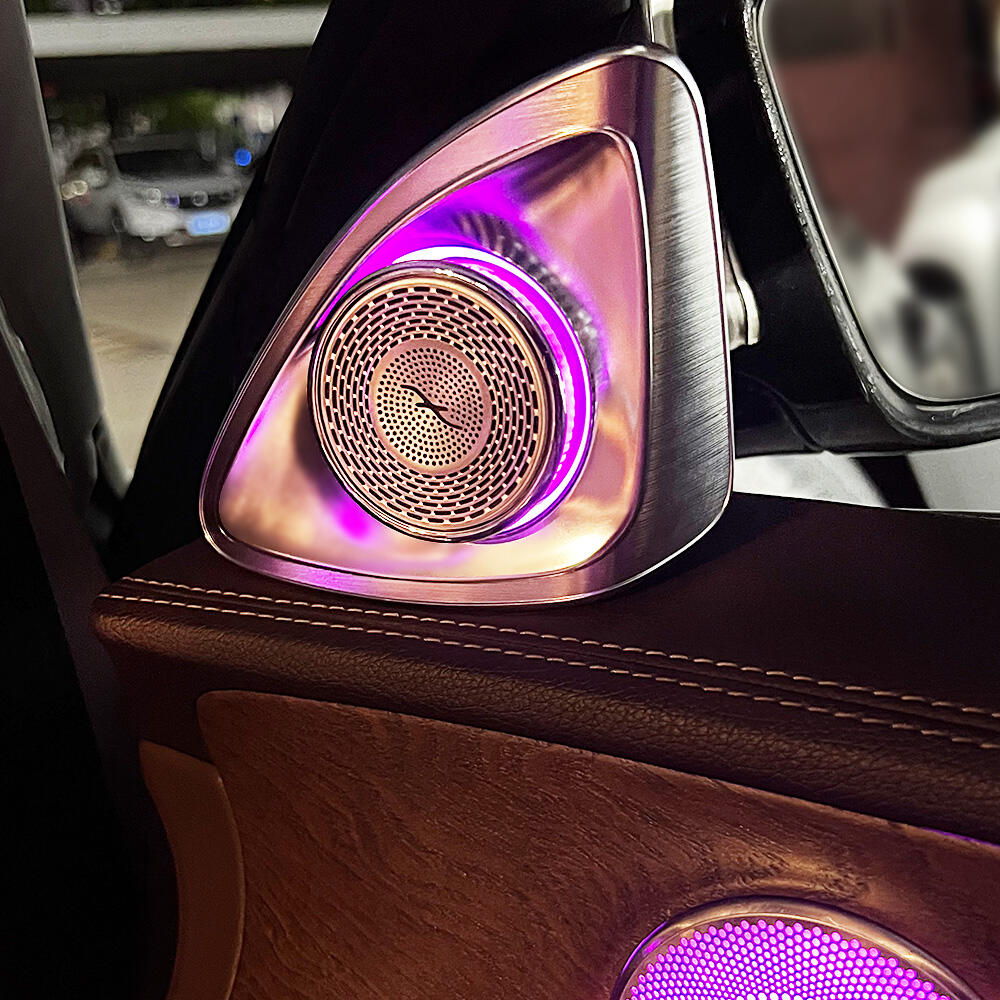
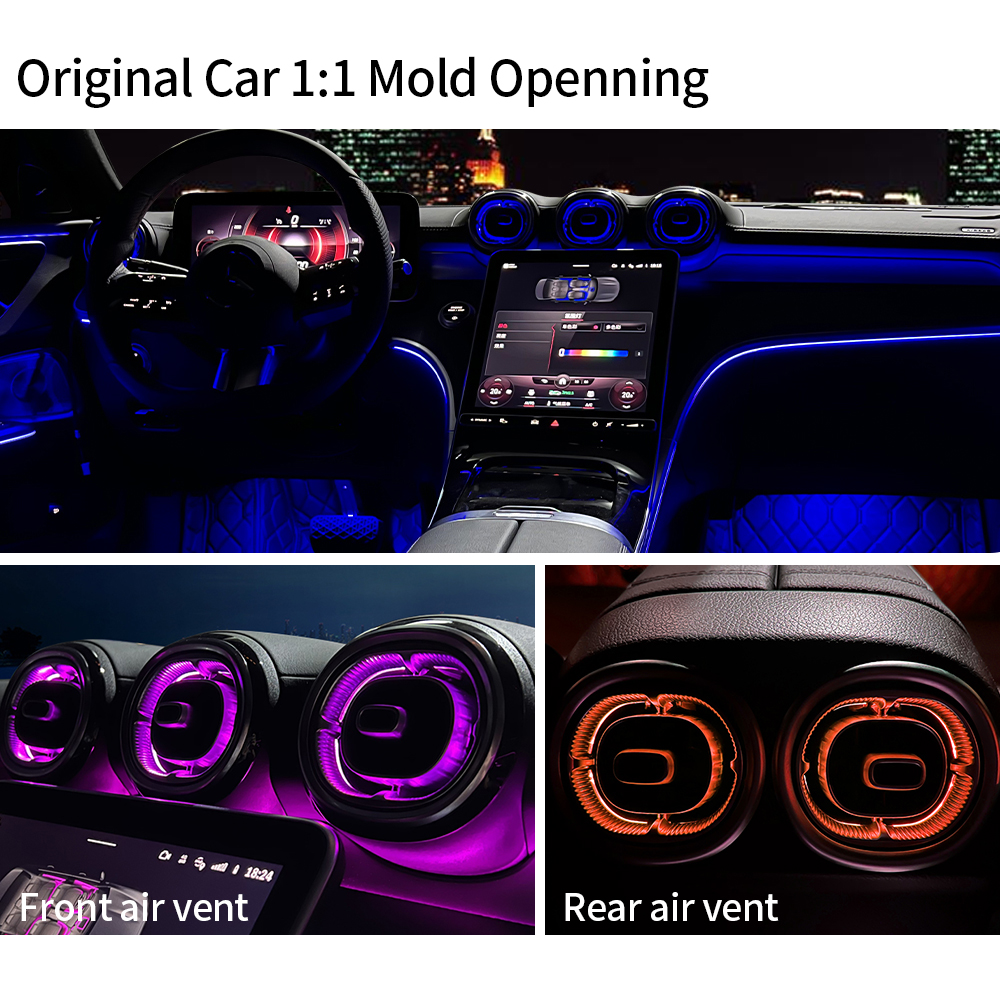
Car makers are getting really good at matching those Mercedes quality ambient lights thanks to something called tunable CCT technology. For home use, modern lighting systems can create around 16 million different colors through smartphone control. Pretty cool stuff. The healthcare sector has been adopting these circadian rhythm features quite rapidly too. According to Pacific Lights research from last year, adoption rates jumped by about 42% compared to the previous year. What we're seeing here isn't just fancy tech for tech's sake. Manufacturers are actually building products that understand how humans interact with light throughout their day, which makes sense when you think about it since people spend so much time indoors now.
From factory floors to luxury vehicles, China’s R&D investments in solid-state lighting and mesh-network controls position it as the innovation driver in global ambient lighting markets.
Sustainability and Compliance: Energy Efficiency in Chinese-Made Ambient Lights
Energy-Efficient Designs Meeting Global Demand for Sustainable Lighting
Manufacturers in China are really changing how we think about energy efficiency when it comes to ambient lighting thanks to their research efforts and ability to scale production. The numbers tell the story too - around two thirds of all LED lights shipped worldwide come out of Chinese factories these days. A big part of this shift is due to new standards introduced in 2023 under GB21520-2023, which categorizes lighting systems into three different efficiency levels. What's interesting is that these requirements actually match up pretty well with what the EU has been pushing through their own Ecodesign regulations from 2023. As a result, Chinese plants can now make ambient lighting solutions that use nearly half as much electricity compared to traditional options, yet still last over 50 thousand hours before needing replacement. This kind of progress makes sense given the growing focus on sustainability across industries.
Compliance with International Environmental and Safety Standards
The ambient lighting sector in China has adopted over eleven international standards already. These include important ones like ISO 14001 which deals with how companies manage their impact on the environment, plus IEC 62471 that looks at safety regarding light exposure. According to some research done last year by Pacific Energy Compliance, nearly nine out of ten Chinese manufacturers actually go beyond what's required under RoHS and REACH regulations when it comes to limiting dangerous substances. Smart lighting solutions are becoming common too, with many factories installing occupancy sensors that cut down wasted electricity consumption around thirty one percent. This helps them comply not just with California's Title 24 requirements but several other international energy efficiency standards as well. What makes this possible? Strong supply chain networks that track materials all the way back to source, whether it's recycled aluminum used for housing components or LED parts made without mercury content.
Expanding Applications Across Automotive, Residential, and Commercial Sectors
Growing Demand in Automotive: The Role of Mercedes Ambient Light Integration as a Benchmark
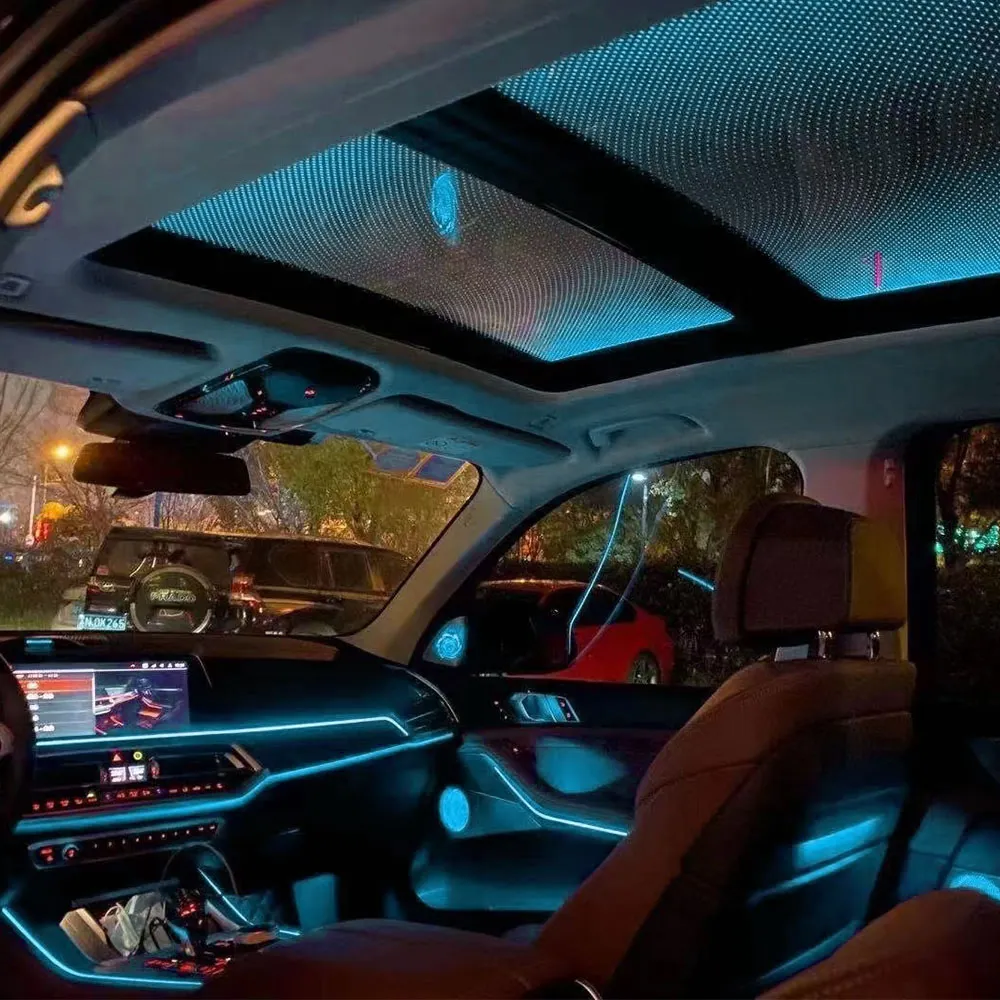
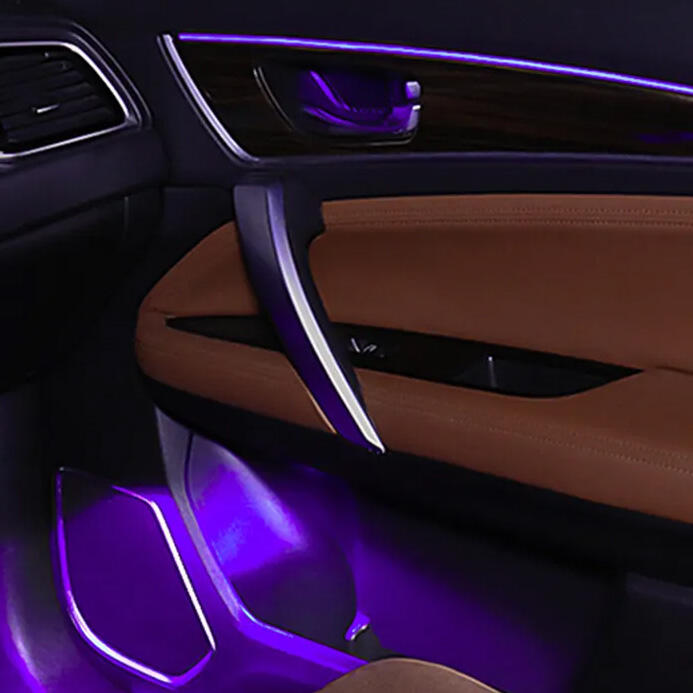
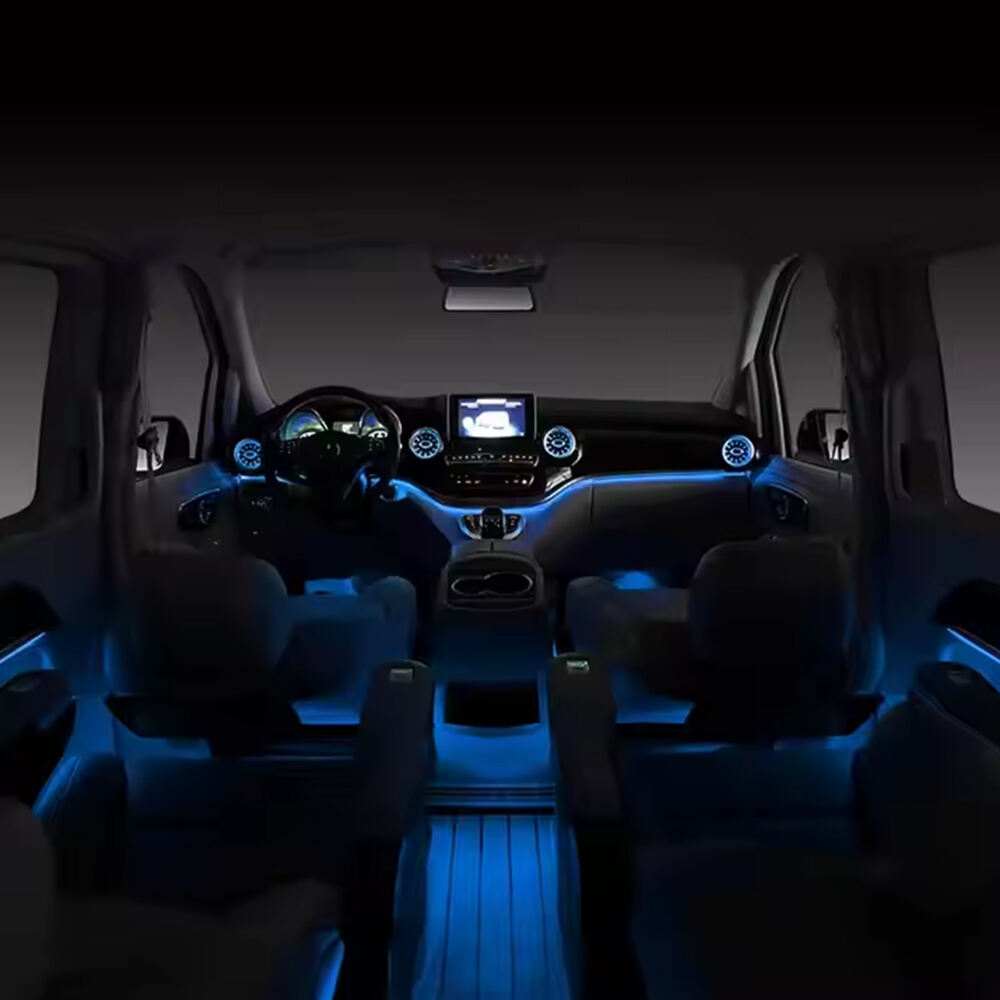
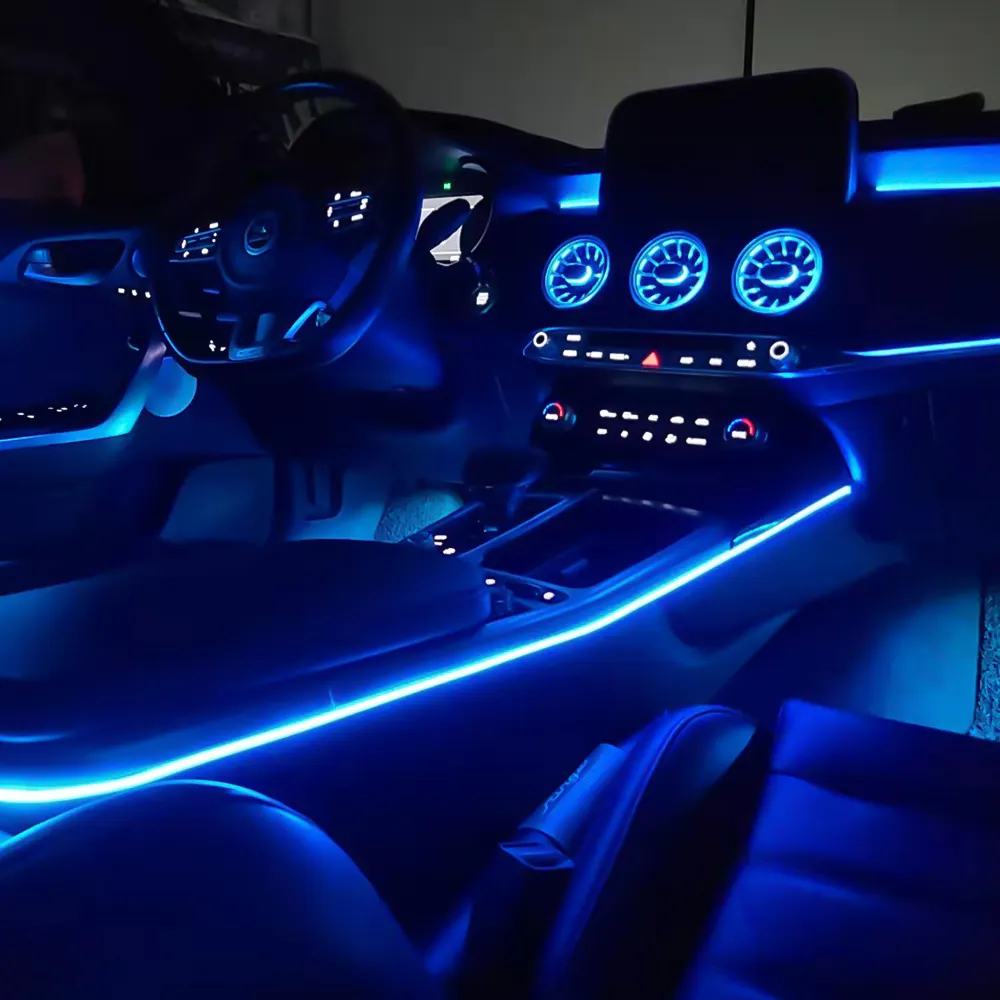
About 28% of all ambient lighting worldwide gets used in cars according to UnivDatos from 2023, and this is mostly because luxury manufacturers such as Mercedes-Benz keep pushing what's possible. Their fancy multi zone lighting setups that let drivers pick from 64 different colors plus adjust brightness automatically have basically set the standard everyone else follows. Car makers throughout the industry are now building their products based on these specs. What started at the top end has moved down market too. Around 43% of mid priced vehicles come with some form of ambient lighting nowadays, helping boost how nice people think a car looks inside and making rides feel more comfortable overall.
Smart Ambient Lighting Adoption in Residential and Commercial Spaces
These days, both residential spaces and office buildings are going for lighting setups that work well while looking good too. Research indicates that these smart ambient lighting systems can cut down on electricity consumption by around half when compared to older style lighting options. The secret? Motion detectors that turn lights off when no one's there and algorithms that adjust brightness based on natural light levels. Businesses love cloud-based control systems even more because they let managers set different lighting moods for specific areas within a building. Interestingly enough, most Chinese manufacturers (about 7 out of 10) have started including this feature automatically in their sales agreements with other companies lately.
Emerging Uses in Healthcare, Hospitality, and Entertainment Environments
Many hospitals have started installing circadian rhythm lighting to help patients recover faster after surgery. Some recent tests actually showed a pretty impressive drop in postoperative anxiety levels by about 31% according to Future Market Insights from last year. On the other side of things, luxury hotels are getting creative with their lighting setups, using parametric designs that really set their brand apart visually. Meanwhile, places like concert halls and nightclubs are going all out with DMX controlled RGB lighting systems that match perfectly with whatever music or visuals they're showing. Looking at market trends, these special purpose lighting solutions make up nearly 20% of what China exports when it comes to ambient lighting products. That's been the fastest growing part of the market since around 2022 if we look at the numbers closely enough.
China's Cost Competitiveness and Supply Chain Advantages in Ambient Lighting
Economies of Scale Driving Down Manufacturing Costs
Chinese manufacturers dominate the ambient lighting sector when it comes to cost effectiveness thanks to their massive production capabilities. They account for roughly 60% of all LED components worldwide according to Ponemon's latest data from 2023. The manufacturing clusters in places like Guangdong and Zhejiang give these companies access to raw materials at prices around 12 to 18 percent cheaper than what western suppliers typically pay. When companies need large quantities, especially for things like car lighting applications, the price per strip drops significantly once production reaches about 10 thousand units or more, cutting costs by approximately 34%. This cost advantage gets even better when considering labor efficiencies. Chinese workers in electronics assembly show about a 22% productivity edge over their counterparts elsewhere, as noted in the recent 2024 ODM Manufacturing Report. These factors combined make China an attractive option for businesses looking to cut expenses while maintaining quality standards.
Integrated Supply Chains Enabling Rapid Prototyping and Delivery
Proximity to suppliers of LEDs, drivers, and diffusers allows Chinese factories to cut lead times by 40% compared to fragmented global networks. A typical ambient light prototype moves from design to production in 14 days, leveraging:
| Factor | Impact |
|---|---|
| Localized Components | 85% sourced within 100 km radius |
| Automated Warehousing | 72-hour inventory turnover |
| Port Connectivity | 48-hour customs clearance |
This agility supports just-in-time deliveries for time-sensitive projects such as automotive interior upgrades.
Addressing Quality Perceptions vs. Actual Performance
A lot of people still hesitate when it comes to Chinese made ambient lighting, with around 62% showing some doubt at first glance according to PTM Insights from last year. But interestingly enough, most of what leaves Chinese shores these days actually comes from factories certified under ISO 9001 standards, making up nearly 78% of all exported products. What changed this perception? The testing process has gotten serious lately. Manufacturers subject their automotive grade LEDs to brutal 500 hour stress tests before shipping anything out. This kind of quality control explains why even top luxury car makers such as Mercedes-Benz now source their interior ambient lighting solutions from these Asian suppliers rather than going European. Independent checks show just 0.8% defects among premium models, which is pretty much on par with similar products made in Europe but costing almost 60% less money overall.
Table of Contents
- China's Dominance in the Global Ambient Lighting Market
- Technological Innovation: Smart and LED Advancements in Chinese Ambient Lighting
- Sustainability and Compliance: Energy Efficiency in Chinese-Made Ambient Lights
- Expanding Applications Across Automotive, Residential, and Commercial Sectors
- China's Cost Competitiveness and Supply Chain Advantages in Ambient Lighting