
 EN
EN
The Synergy of Audio and Visual Luxury in Car Interiors
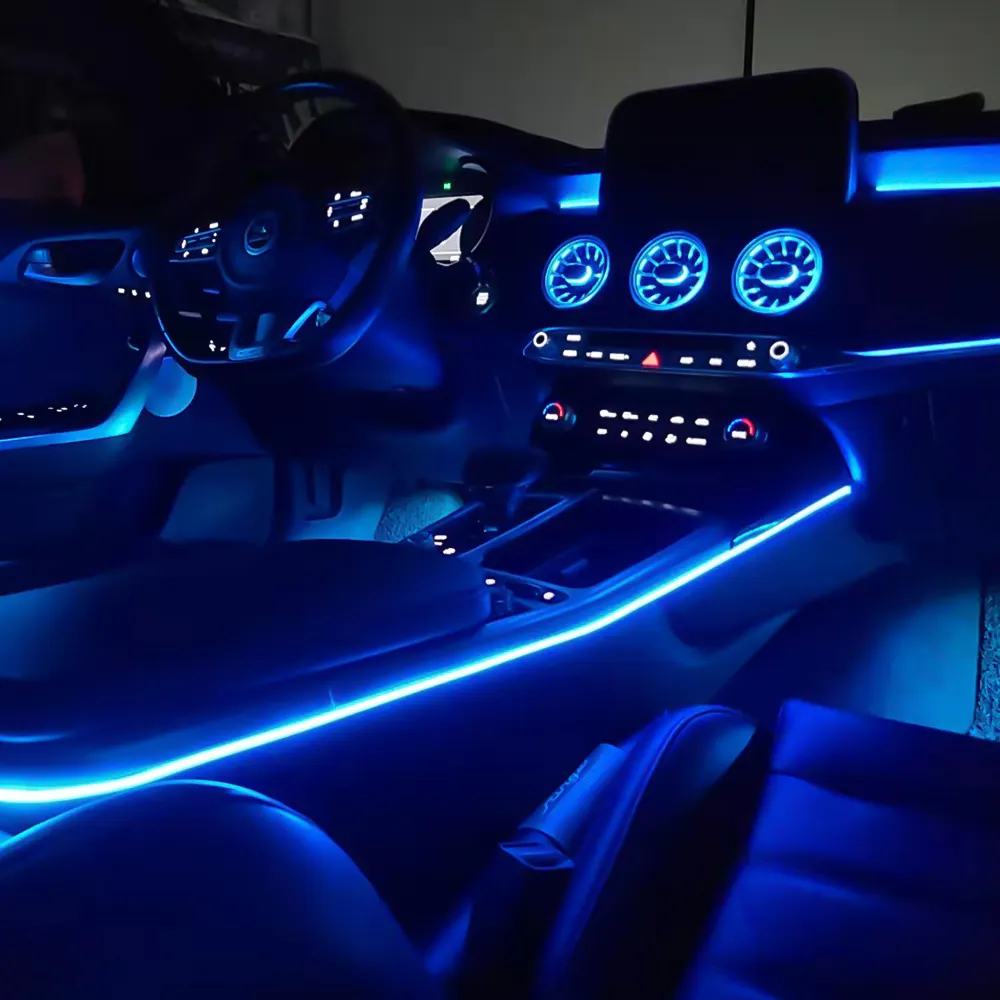
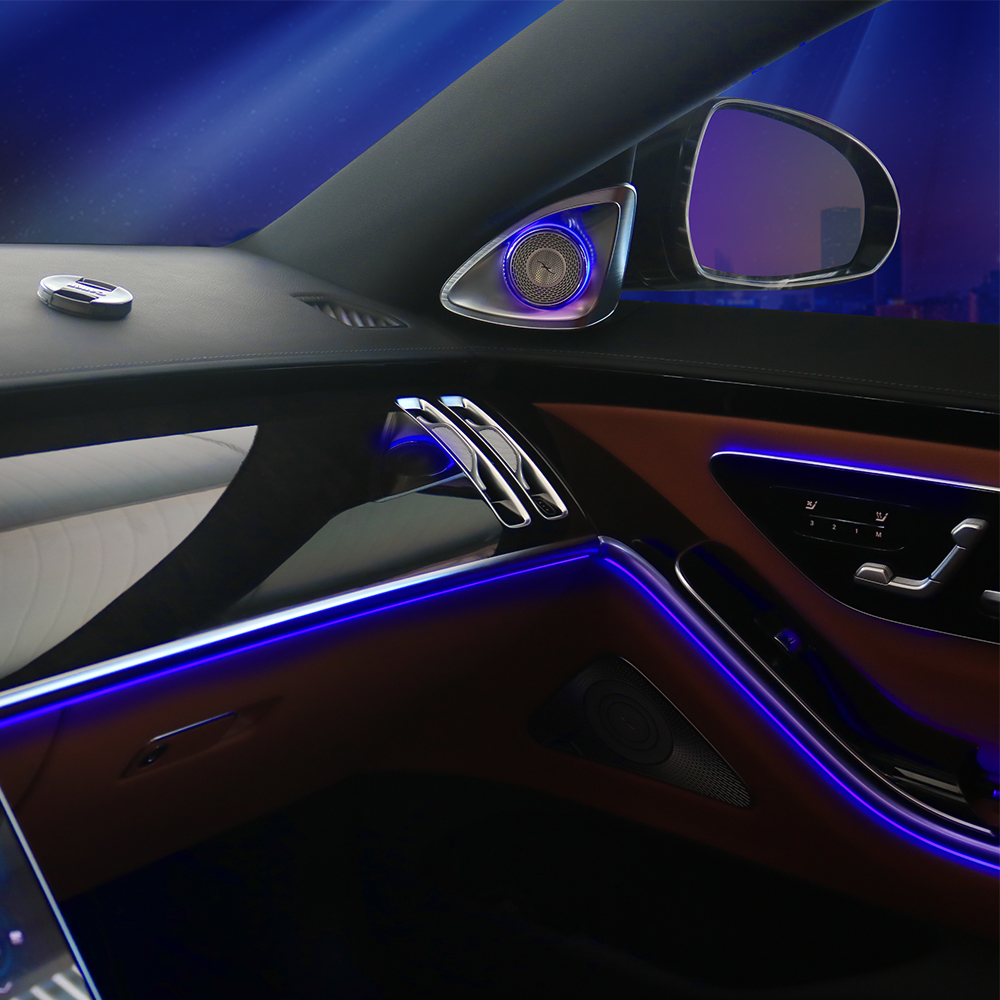
In the world of automotive interior upgrades, two features have emerged as fan favorites for elevating luxury and personalization: rotating tweeters and ambient lighting systems. Car enthusiasts and luxury vehicle owners often wonder if these two elements can work together to create a cohesive, immersive experience—and the answer is a resounding yes. When paired correctly, rotating tweeters and ambient lighting systems complement each other perfectly, blending high quality audio performance with customizable visual ambiance to transform the car cabin into a sensory haven. Shenzhen Hujiang Lianchi Technology Co Ltd, established in 2016 as China’s first head factory specializing in Mercedes ambient light series products, has mastered this pairing, integrating rotating tweeters with ambient lighting systems for over eight years. The company’s expertise in both interior audio and lighting solutions has resulted in seamless, high quality products exported to more than 100 countries and regions, backed by appearance patent certificates, product quality inspection reports and CE certificates that guarantee compatibility and performance.
Why Pair Rotating Tweeters with Ambient Lighting?
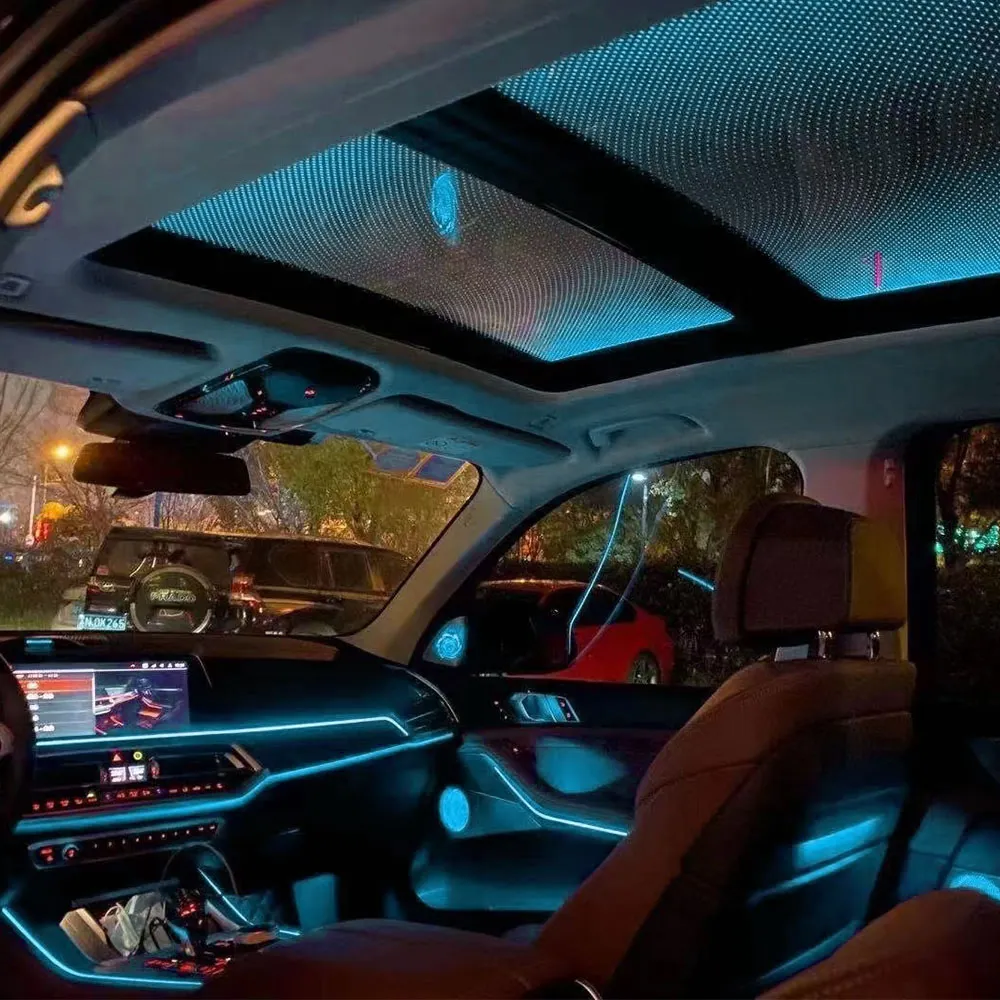
The magic of pairing rotating tweeters with ambient lighting lies in their shared goal: to enhance the driving experience through sensory engagement. Rotating tweeters deliver exceptional audio quality, with a dynamic design that rotates to optimize sound projection, creating a multi dimensional listening experience. Ambient lighting systems, on the other hand, set the mood through customizable colors and soft illumination, enhancing the cabin’s aesthetic and comfort. Together, they create an audio visual synergy that makes every drive more immersive, whether you’re listening to your favorite music, enjoying a podcast or simply cruising in silence. This pairing is not just about aesthetics it’s about creating a cohesive interior where every element works together to elevate luxury, comfort and personalization. Hujiang Lianchi’s products are engineered to maximize this synergy, ensuring rotating tweeters and ambient lighting systems work in harmony to deliver a premium experience.
The Compatibility of Rotating Tweeters and Ambient Lighting
One of the key concerns when pairing any two car interior upgrades is compatibility, and rotating tweeters and ambient lighting systems are naturally compatible due to their non conflicting functions and shared integration with the vehicle’s original systems. Rotating tweeters focus on audio performance, with wiring and controls that connect to the car’s audio system, while ambient lighting systems integrate with the vehicle’s electrical system for power and control. Neither feature interferes with the other’s operation, and both can be synced to work in tandem—for example, the ambient lighting can change color in response to music played through the rotating tweeters, or the tweeters can rotate as the ambient lighting shifts to a new mode. Hujiang Lianchi’s rotating tweeters and ambient lighting systems are designed with this compatibility in mind, using original car 11 open mold technology and synchronization with Mercedes’ original systems to ensure a seamless pairing that works flawlessly.
How to Successfully Pair Rotating Tweeters with Ambient Lighting Systems
Pairing rotating tweeters with ambient lighting systems is a straightforward process when using high quality, compatible products, and there are several key factors to consider to ensure success. From choosing the right products to ensuring proper installation and synchronization, every step plays a role in creating a cohesive audio visual experience. Hujiang Lianchi’s years of expertise in both rotating tweeters and ambient lighting systems have resulted in products that are designed to pair easily, with features that simplify integration and enhance performance.
Choose Compatible Products Designed for Your Vehicle
The first step to successful pairing is selecting rotating tweeters and ambient lighting systems that are compatible with your vehicle’s make and model. Not all products are designed to work together, so it’s essential to choose options that are engineered for seamless integration. Hujiang Lianchi offers a range of rotating tweeters and ambient lighting systems specifically designed for Mercedes models, including the W205 W223 W177 and W167. These products are built with original car specifications in mind, ensuring they fit perfectly and work with the vehicle’s existing audio and electrical systems. For example, the Mercedes C class W205 3D Burmester rotating tweeters are designed to pair seamlessly with the brand’s 64 color ambient lighting system, with both products using the same original controls for easy operation. Choosing vehicle specific, compatible products eliminates compatibility issues and ensures a professional, factory like fit.
Ensure Synchronization with the Vehicle’s Original Systems
Synchronization is key to creating a cohesive experience when pairing rotating tweeters with ambient lighting systems. The best products sync with the vehicle’s original infotainment system and controls, allowing you to adjust both audio and lighting settings from a single interface. Hujiang Lianchi’s rotating tweeters and ambient lighting systems are synchronized with Mercedes’ original systems, meaning you can control the rotating tweeters’ rotation speed and the ambient lighting’s color, brightness and mode using the car’s existing buttons or infotainment screen. Some advanced systems even offer synchronization between the two features, such as the ambient lighting changing color in time with the music or the tweeters rotating when the ambient lighting switches to multi color mode. This level of synchronization creates a seamless, intuitive experience that enhances the driving journey.
Opt for Non Destructive Installation
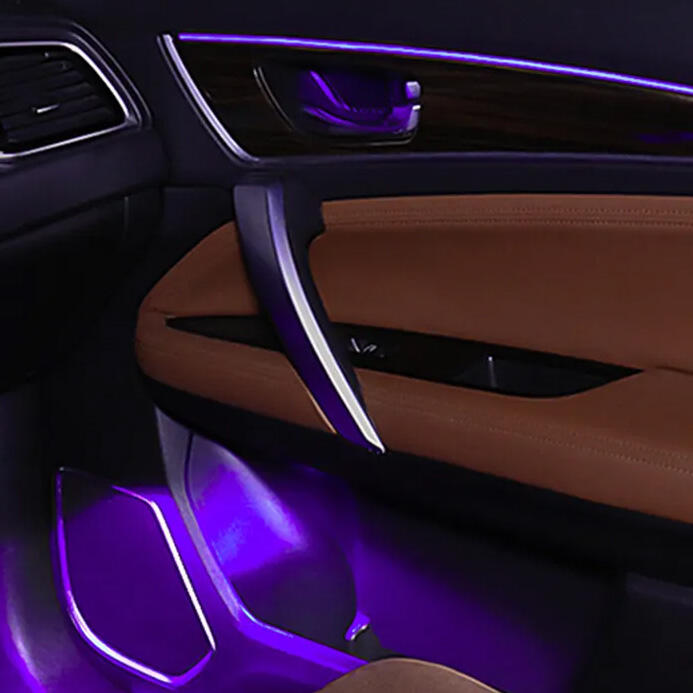
Non destructive installation is essential when pairing any two interior upgrades, as it preserves the vehicle’s original structure and ensures both products function correctly. Hujiang Lianchi’s rotating tweeters and ambient lighting systems feature non destructive installation methods, with no cutting, drilling or modification required to the car’s interior. The rotating tweeters use original mounting points, while the ambient lighting systems are installed using hidden light pipes that fit into existing panel gaps. This installation method not only protects the vehicle’s resale value but also ensures that both products are securely mounted and properly connected, reducing the risk of electrical issues or performance problems. The company’s professional installation guides and customer service team also provide support to ensure the pairing process is smooth and successful.
Prioritize Quality and Performance
When pairing rotating tweeters with ambient lighting systems, quality and performance should never be compromised. High quality rotating tweeters deliver clear, immersive audio, while premium ambient lighting systems offer consistent color, smooth brightness adjustment and long lasting performance. Hujiang Lianchi’s products are built to the highest standards, with rotating tweeters featuring durable materials and precision engineering for optimal sound projection and rotation, and ambient lighting systems using high quality LEDs for vivid colors and glare free illumination. Both product lines hold appearance patent certificates, product quality inspection reports and CE certificates, ensuring they meet international standards for performance, safety and durability. Investing in quality products ensures that the pairing delivers on its promise of luxury and immersion, providing years of reliable use.
Hujiang Lianchi’s Expertise in Pairing Rotating Tweeters and Ambient Lighting
As a leader in automotive interior upgrades, Shenzhen Hujiang Lianchi Technology Co Ltd has extensive experience in pairing rotating tweeters with ambient lighting systems, particularly for Mercedes vehicles. The company’s eight years of R&D and production experience have allowed it to refine this pairing, creating products that work in perfect harmony to enhance the car’s interior. With a 1500 square metre warehouse, large in stock inventory and timely delivery, Hujiang Lianchi ensures its compatible rotating tweeters and ambient lighting systems are available to customers worldwide, backed by a professional service team that provides support throughout the pairing process.
Integrated Design for Seamless Pairing
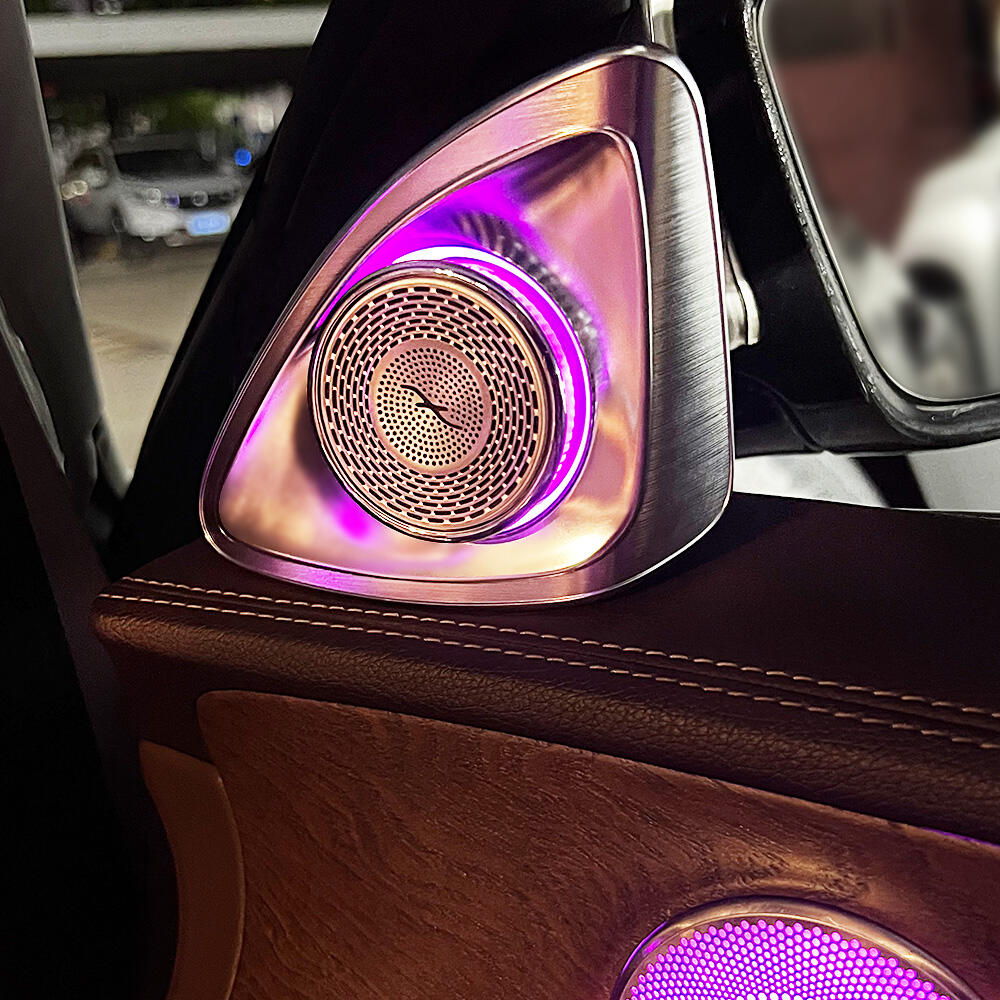
Hujiang Lianchi’s rotating tweeters and ambient lighting systems feature an integrated design that simplifies pairing and enhances synergy. The company’s rotating tweeters, such as the Mercedes S class W223 4D rotating tweeter speakers, are equipped with built in ambient lighting, combining both features into a single, sleek product. These integrated designs eliminate the need for separate installation of two products, reducing complexity and ensuring a cohesive aesthetic. The ambient lighting is built into the tweeter housing, casting a soft glow that complements the speaker’s design while adding to the cabin’s overall ambiance. For customers who prefer separate products, the company’s standalone rotating tweeters and ambient lighting systems are engineered to sync perfectly, with matching color options and control systems that create a unified experience.
Tailored Solutions for Every Mercedes Model
Hujiang Lianchi understands that every Mercedes model has a unique interior design, and the company offers tailored solutions for pairing rotating tweeters with ambient lighting systems for a wide range of models. Each tailored solution is optimized for the model’s specific interior dimensions, audio system and electrical setup, ensuring the pairing works seamlessly and enhances the vehicle’s unique aesthetic. For example, the pairing for the compact A class W177 features smaller rotating tweeters and ambient lighting with intimate placement, while the solution for the spacious GLE GLS W167 includes larger tweeters and all around ambient lighting that fills the cabin with sound and color. This tailored approach ensures that every Mercedes owner can enjoy a pairing that is perfectly suited to their vehicle.
OEM and ODM Options for Custom Pairings
For customers seeking a truly unique pairing of rotating tweeters and ambient lighting systems, Hujiang Lianchi offers OEM and ODM options that allow for customization. The company’s professional R&D team can create custom rotating tweeters with integrated ambient lighting in specific colors, or design ambient lighting systems that sync with rotating tweeters in unique ways—such as custom color sequences that match the tweeters’ rotation speed. As a source factory, Hujiang Lianchi eliminates intermediate links, offering these custom pairings at competitive prices without compromising on quality. This level of customization allows customers to create a one of a kind audio visual experience that reflects their personal style and enhances their driving journey.
Global Support and Timely Delivery
Hujiang Lianchi’s commitment to customer satisfaction extends beyond product quality, with global support and timely delivery ensuring a smooth pairing experience for customers in more than 100 countries and regions. The company’s professional service team provides timely answers to questions about compatibility, installation and synchronization, and its 1500 square metre warehouse ensures that rotating tweeters and ambient lighting systems are in stock and ready for delivery. Whether you’re a car enthusiast installing the pairing yourself or a professional installer working with a client, Hujiang Lianchi’s global support and rapid delivery make the process efficient and stress free.
The Benefits of Pairing Rotating Tweeters with Ambient Lighting Systems
Pairing rotating tweeters with ambient lighting systems offers a range of benefits that enhance the driving experience, from elevated luxury and personalization to improved comfort and immersion. This combination transforms the car cabin into a premium space that caters to both audio and visual senses, making every drive more enjoyable and memorable.
Elevated Luxury and Aesthetics
The pairing of rotating tweeters and ambient lighting systems adds a new level of luxury to the car’s interior, with both features working together to create a sophisticated, high end look. Rotating tweeters feature a dynamic, modern design that adds visual interest, while ambient lighting enhances the cabin’s lines and premium materials with soft, customizable illumination. Together, they create an interior that feels more luxurious and refined, elevating the vehicle’s overall aesthetic. Hujiang Lianchi’s integrated designs, such as rotating tweeters with built in ambient lighting, further enhance this luxury, with a seamless look that appears as if it came factory installed.
Personalized Audio Visual Experience
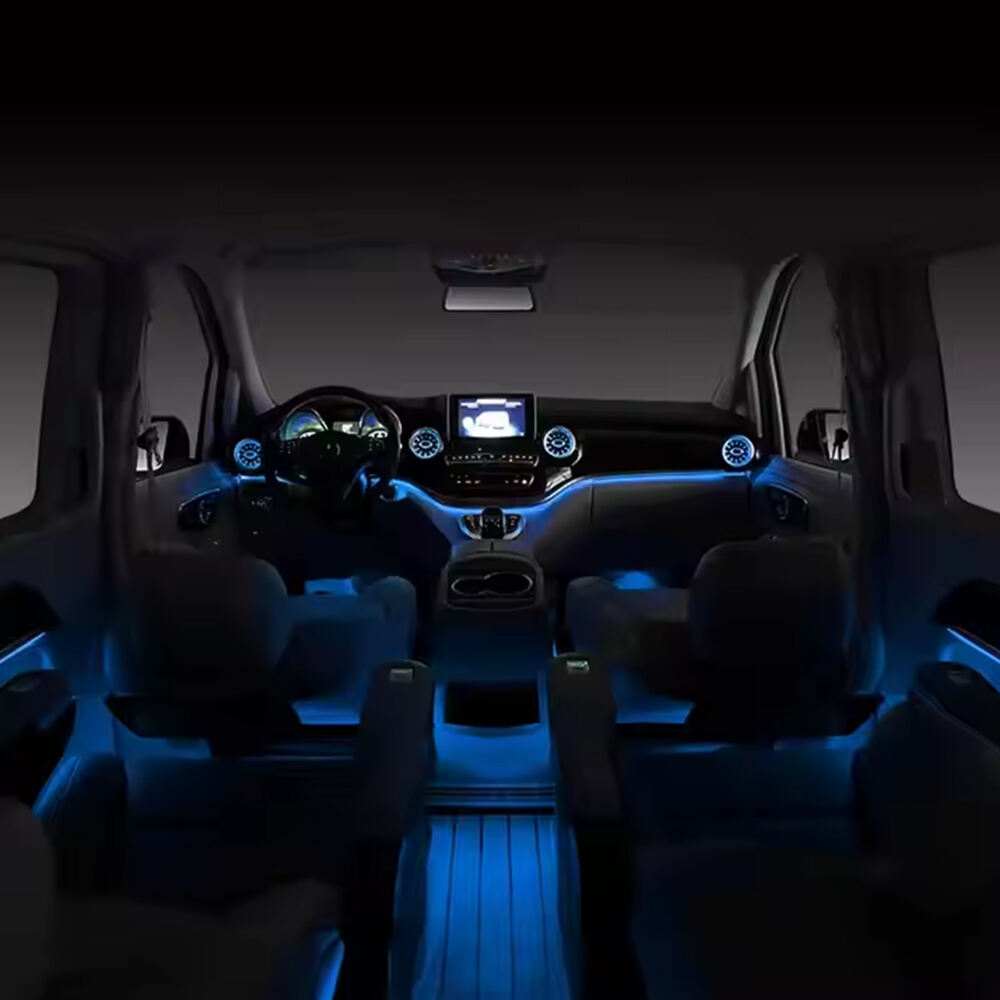
One of the greatest benefits of this pairing is the ability to personalize the audio visual experience to match your mood and driving scenario. You can choose a calming blue ambient light with soft jazz playing through the rotating tweeters for a relaxing commute, or a vibrant red light with upbeat music for an energetic road trip. The ability to adjust both audio and lighting settings allows you to create a experience that is uniquely yours, making every drive feel personal and intentional. Hujiang Lianchi’s 64 color and 256 color ambient lighting systems, paired with high quality rotating tweeters, offer endless customization options to suit any preference.
Improved Comfort and Immersion
The combination of immersive audio from rotating tweeters and soft, ambient lighting creates a more comfortable and immersive driving environment. The ambient lighting reduces eye strain and creates a calming atmosphere, while the rotating tweeters deliver clear, surround sound audio that makes you feel like you’re in a concert hall. This immersive experience makes long drives feel shorter and more enjoyable, reducing fatigue and stress. The glare free illumination of Hujiang Lianchi’s ambient lighting systems also ensures that the visual experience doesn’t compromise safety, allowing you to enjoy the pairing without distraction.
Enhanced Resale Value
Investing in high quality, compatible rotating tweeters and ambient lighting systems can also enhance the vehicle’s resale value. Potential buyers often look for premium interior upgrades that add luxury and personalization, and a professionally paired audio visual system is a desirable feature. Hujiang Lianchi’s non destructive installation method and use of original car specifications ensure that the upgrades don’t damage the vehicle’s interior, preserving its resale value while adding appeal. The company’s quality certifications also provide peace of mind to buyers, knowing that the pairing is reliable and high quality.
Conclusion: The Perfect Pair for Automotive Luxury
The question of whether rotating tweeters can be paired with ambient lighting systems is answered with a definitive yes—and this pairing is one of the best ways to elevate your car’s interior. When done correctly, it creates a seamless audio visual experience that enhances luxury, personalization and comfort, making every drive more immersive and enjoyable. Shenzhen Hujiang Lianchi Technology Co Ltd’s expertise in this pairing, combined with its high quality, compatible products, makes it the ideal choice for Mercedes owners and car enthusiasts looking to upgrade their interiors. With appearance patent certificates, product quality inspection reports and CE certificates, the company’s rotating tweeters and ambient lighting systems offer compatibility, performance and durability that you can trust.
Whether you choose an integrated design with rotating tweeters and built in ambient lighting or separate products that sync perfectly, Hujiang Lianchi’s solutions deliver on the promise of a cohesive, premium experience. The company’s global reach, timely delivery and professional service also ensure that the pairing process is smooth and successful, no matter where you are in the world. If you’re looking to transform your car’s interior into a sensory haven, pairing rotating tweeters with ambient lighting systems is the perfect choice—and Hujiang Lianchi has the products and expertise to make it happen.
Table of Contents
- The Synergy of Audio and Visual Luxury in Car Interiors
- How to Successfully Pair Rotating Tweeters with Ambient Lighting Systems
- Hujiang Lianchi’s Expertise in Pairing Rotating Tweeters and Ambient Lighting
- The Benefits of Pairing Rotating Tweeters with Ambient Lighting Systems
- Conclusion: The Perfect Pair for Automotive Luxury