
 EN
EN
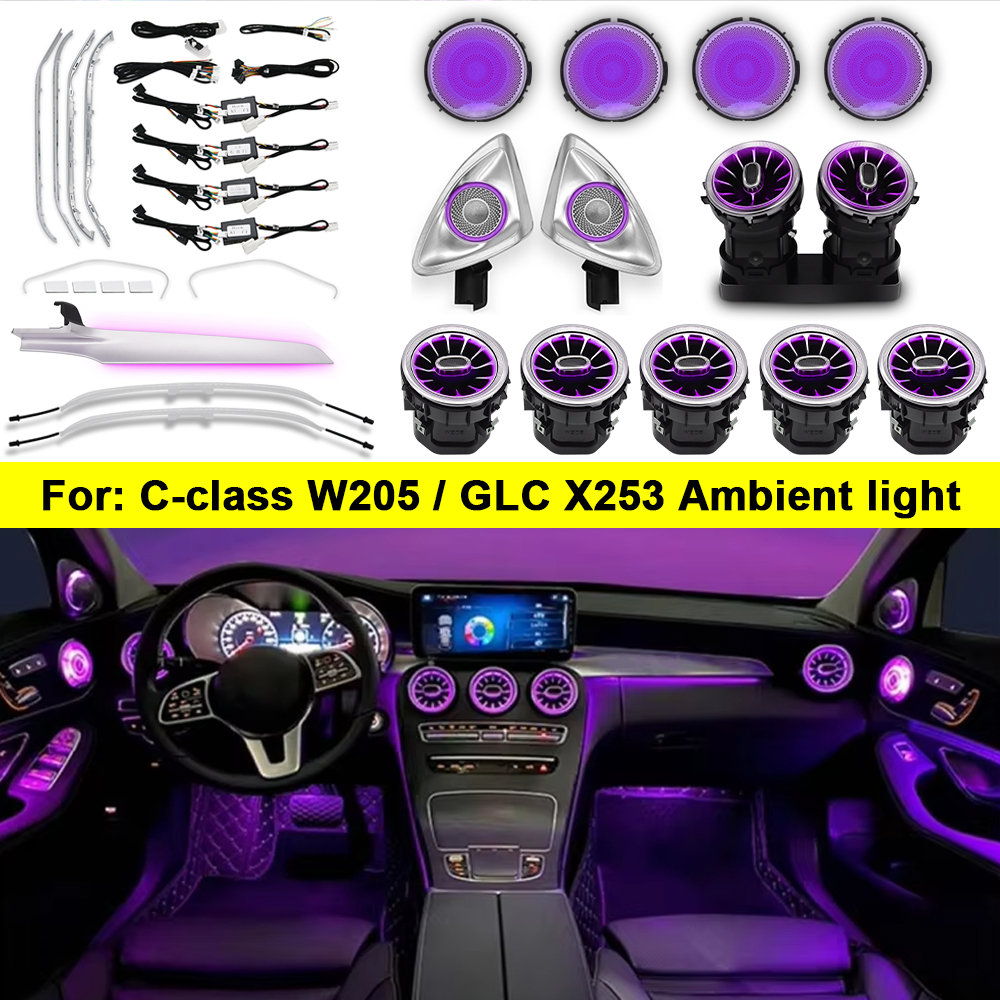
Understanding the W205 Ambient Lighting System Architecture
Core Components of the OEM-like W205 Ambient Light Design
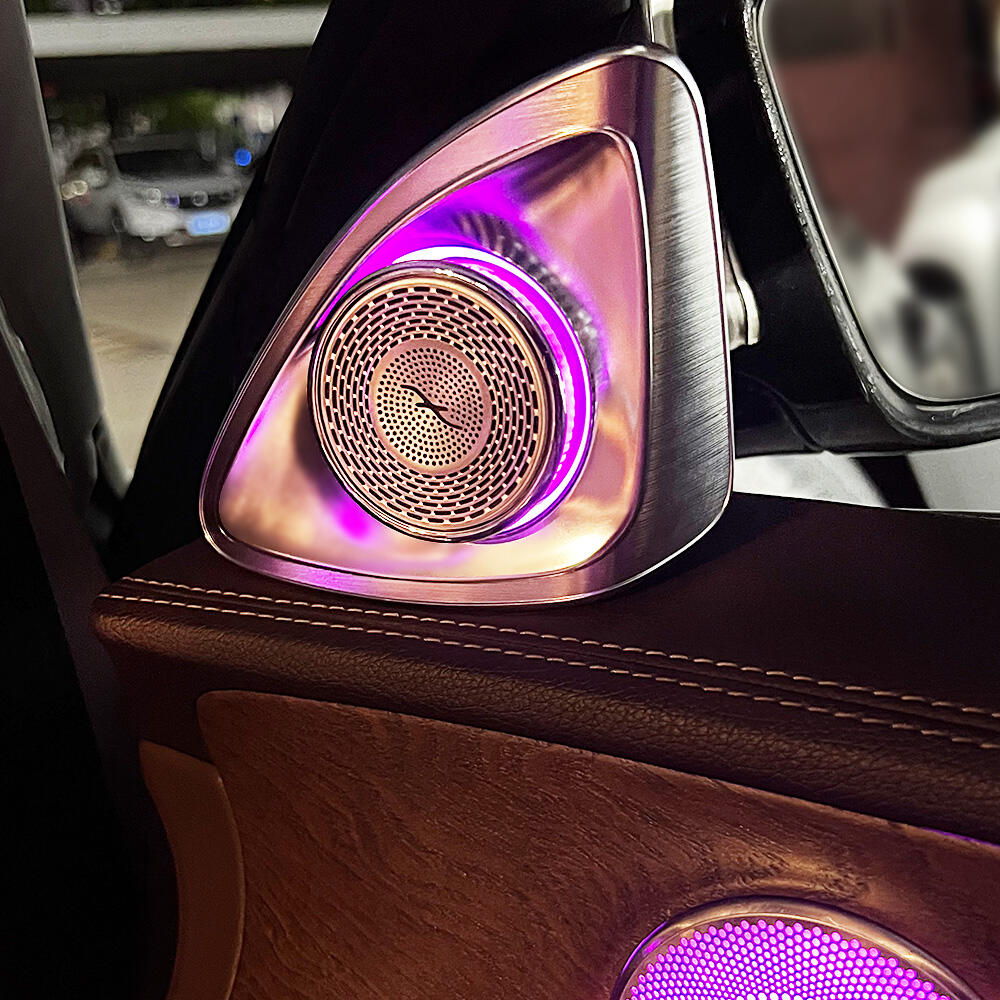
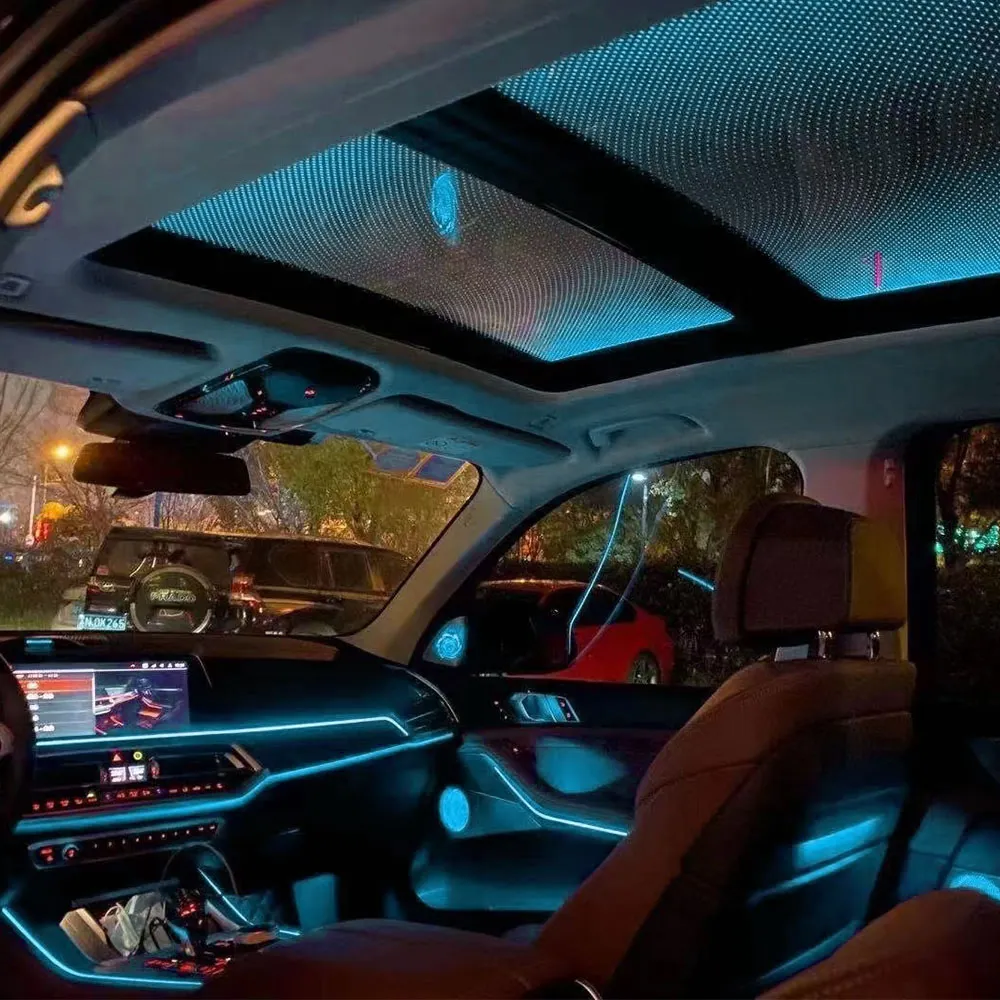
The latest W205 ambient lighting setups typically consist of three main parts: those precision molded LED strips we see everywhere now, some kind of central control module that does all the thinking, and those fancy light guiding optics that spread the glow just right. Most of these factory style designs rely on automotive grade 2835 SMD LEDs paired with PWM dimming technology, allowing for smooth transitions from completely off to full brightness without any harsh jumps. What really matters for longevity though is how they handle heat. Good systems incorporate active thermal management solutions which keeps colors looking consistent even after years of use, maintaining accuracy within about 2% variance according to recent testing by Kepo Tech back in 2024.
Factory-Installed vs. Aftermarket W205 Ambient Light Kits: A Comparative Analysis
Factory installed systems come deeply integrated with all sorts of vehicle functions like door sensors and climate controls through what's called CAN Bus communication. Aftermarket options are different though. Most need these special LIN Bus adapters just to get anywhere near the same level of responsiveness. And they tend to consume about 12 percent more power compared to original equipment manufacturer products based on tests from CarbonXTREM back in 2025. The good news is that some premium third party alternatives have started using something called dynamic current regulation which helps them reach efficiency numbers pretty close to what comes straight from the factory floor.
The Rise of 64-Color LED Upgrades for Mercedes C-Class W205
The desire for personalized experiences among consumers is what's pushing manufacturers to install those fancy 64-color LED upgrades in the W205 model. The tech behind these systems is called RGBW, which stands for Red, Green, Blue and White. This setup can hit around 98% coverage of the DCI-P3 color space, pretty impressive stuff really. Most of them run on chips like the WS2812B controller. What makes these systems stand out? They can switch colors in just microseconds across over 16 different areas inside the car. Think footwells, door panels, even dashboard trim. All these zones light up together perfectly without any annoying color bleeding between sections.
Multi-Zone Color Customization and Dynamic Lighting Effects
How Color Zoning Enhances Interior Aesthetics and User Experience
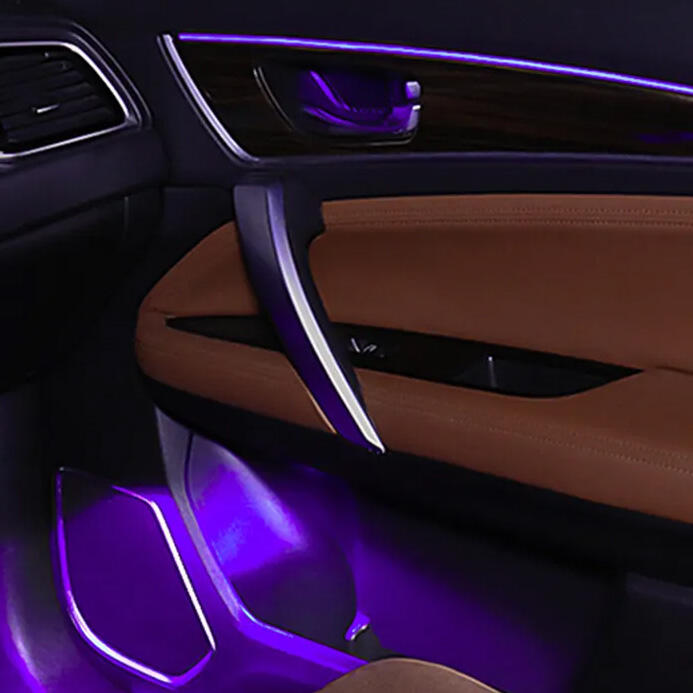
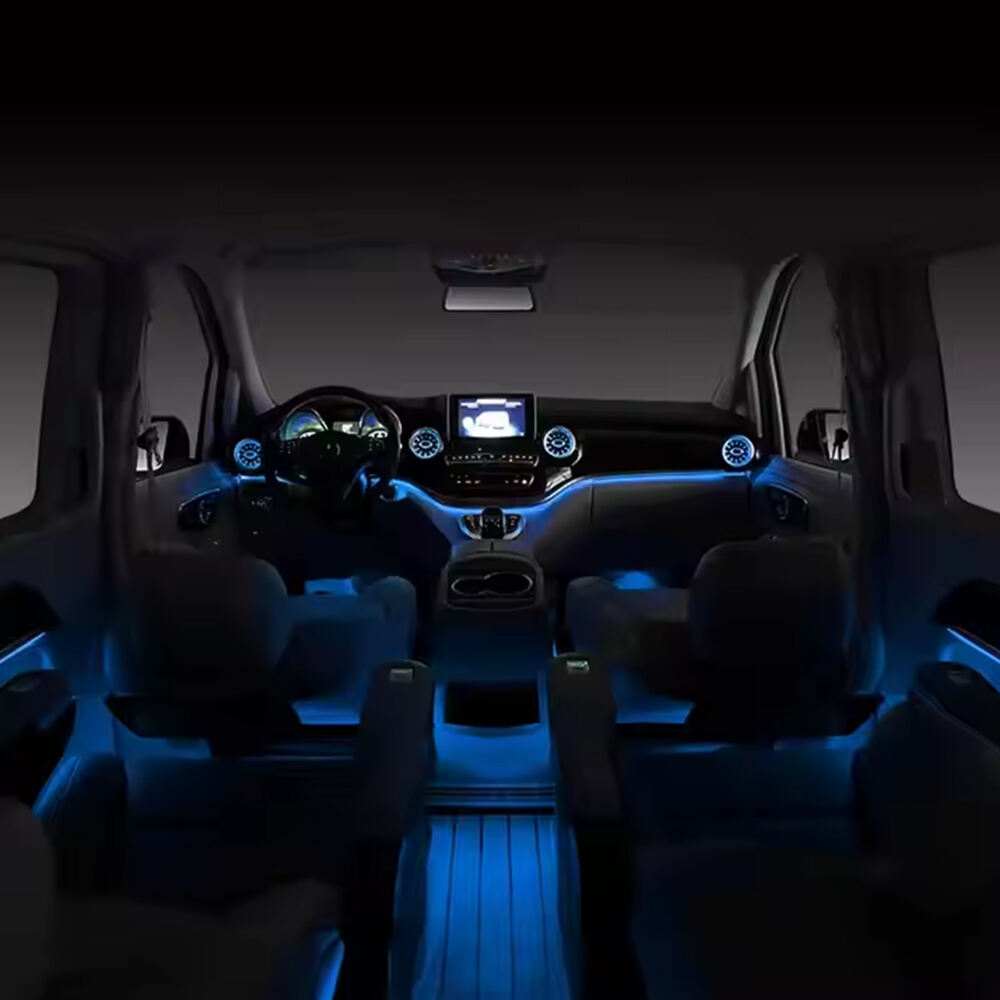
The ambient lighting system in OEM style for the W205 splits up the cabin space into around 6 to 8 different zones that can be programmed separately. This lets drivers create color combinations that really bring out the look of fancy interior materials like those cool open pore woods or brushed metal details throughout the car. A recent study from Automotive UX Insights back in 2023 found something interesting too - about 7 out of 10 W205 owners actually care quite a bit about having control over multiple zones when setting the mood inside their vehicles. These setups typically rely on those 64 color LED strips which make it possible to tweak each area individually but still keep everything looking good together as a whole.
Technical Implementation of Smooth Transitions and RGB-Zone Synchronization
Modern lighting systems now incorporate RGBIC technology (that's Red, Green, Blue plus Independent Control) along with special PWM circuits that basically stop any annoying flickering when colors change rapidly. The built-in driver chips handle 256 different brightness settings for each color channel while keeping color consistency really tight across the board, staying within just 3% delta-E variation between zones. Throw in CAN bus compatibility and those preset scene changes happen in less than a second flat - so fast most people won't even notice the transition happening at all.
Optimizing Dynamic Effects with Vehicle Events (e.g., Door Open, Startup)
Factory-calibrated lighting responds to over a dozen vehicle signals, including:
- Gradual 10-second fade-ins at engine startup
- Pulsing door handle illumination when key proximity is detected
- Amber perimeter lighting during ADAS alerts
Achieving Mercedes benchmark 50ms response time between door contact signals and lighting activation requires direct LIN bus integration with body control modules—a capability many third-party systems lack due to protocol limitations.
Control Module Intelligence: Welcome, Climate-Responsive, and Safety Modes
Integration of Ambient Lighting with Door Warning and Climate Control Functions
The ambient lighting system in W205 models connects through the vehicle's CAN bus network, which helps make driving both safer and more comfortable. When someone forgets to close a door properly, the footwell area starts glowing with soft red pulses. This visual cue works alongside whatever the dashboard is showing, giving drivers another way to notice the problem. The colors change based on climate settings too. Cool blue lights come on when the air conditioning kicks in fast, and warm amber glows appear as soon as the seat heaters turn on. Most cars made by original equipment manufacturers actually do something similar these days, according to industry reports from recent years.
How OEM Control Modules Enable Smart Lighting Behaviors in W205
Factory control modules operate on a three-stage logic framework:
- Welcome sequences use LIN bus data and GPS geolocation to trigger approach lighting
- Dynamic adjustments respond to steering angle and G-force inputs to reduce driver distraction
- Power management ensures consistent brightness across zones despite voltage fluctuations
This intelligence relies on proprietary firmware processing 14+ vehicle data streams simultaneously — capability missing in 78% of aftermarket alternatives.
Challenges in Replicating Factory Logic with Third-Party Modules
Most third party modules just cant match what OEM systems do when it comes to response speed, especially for those situations needing reactions under 200 milliseconds. Some independent tests from last year found they only managed around 64 percent alignment with Mercedes HSL protocol signals. What happens in practice? People notice things like lights turning on way too late after pressing a button, or the color changing effects getting all out of sync when adjusting temperature settings inside the car. Getting these installations working properly usually means going through some pretty complicated steps involving special signal mapping techniques and specific coding processes. And here's the catch many folks run into these days most cars need at least firmware version 807.1 installed for everything to work together smoothly.
Compatibility Across W205 Host Versions (801, 807, 808, 809)
Impact of Host Firmware on Full Feature Activation
Host firmware version significantly influences ambient lighting functionality. Vehicles running Host 809 unlock 96% of OEM-like features— including full color zoning and climate-responsive modes —compared to just 64% on legacy Host 801 systems. This gap results from enhanced CAN bus protocols in newer firmware, which improve synchronization with door sensors and HVAC controls.
Case Study: Achieving OEM-Like Performance on Host 809 vs. Legacy 801 Systems
Tests show that cars equipped with Host 809 systems match factory lighting behavior exactly, allowing those fancy 64 color LEDs to sync up instantly when doors open or close and during ignition. The older Host 801 models tell a different story though they require special signal converters just to get about 40% of what the newer system offers, and even then there's usually around half a second delay before everything kicks in properly. What makes Host 809 really stand out is how it fixes those pesky compatibility issues with RGB zone controllers. Around one quarter of people who retrofit their pre 2018 C Class models run into problems here, so this improvement should save them headaches down the road.
Key Advantages of Host 809:
- Native support for multi-zone brightness control
- Direct integration of safety warnings into lighting patterns
- 50% faster response to climate control inputs
Programming and Coding Requirements for Seamless Integration
Activating Ambient Lighting via Xentry, Vediamo, and UDS Protocols
Achieving OEM-level integration requires deep communication with vehicle networks. Mercedes-Benz’s Xentry software handles module registration and error resolution, while Vediamo enables parameter coding through access to the ZGW gateway. UDS (Unified Diagnostic Services) ensures reliable bidirectional communication between LED modules and the central controller during CAN bus initialization.
Signal Mapping and Module Configuration for Reliable Control
Accurate signal mapping aligns CAN message IDs from door modules (eTM) with ambient light controllers (ALC). Research indicates that 92% of electrical faults stem from incorrect assignments for:
- PWM intensity signals (0–100% duty cycle)
- RGB color channel addressing
- Event triggers such as door state or ignition changes
Following established data mapping practices prevents interference between factory CAN frames and aftermarket control packets.
Step-by-Step Guide to Coding the Ambient Light Module in W205
- Initialize Xentry using chassis-specific SCN coding
- Execute ALC parameterization via Vediamo's FBS4 scripting
- Validate responses at address 0xA4 in UDS session mode
- Simulate UI commands to test dynamic lighting effects
- Conduct end-of-line voltage drop tests across all LED circuits
This procedure delivers factory-equivalent performance, with measured color consistency deviating by less than 3% compared to original W205 factory installations.
Table of Contents
- Understanding the W205 Ambient Lighting System Architecture
- Multi-Zone Color Customization and Dynamic Lighting Effects
- Control Module Intelligence: Welcome, Climate-Responsive, and Safety Modes
- Compatibility Across W205 Host Versions (801, 807, 808, 809)
- Programming and Coding Requirements for Seamless Integration