
 EN
EN
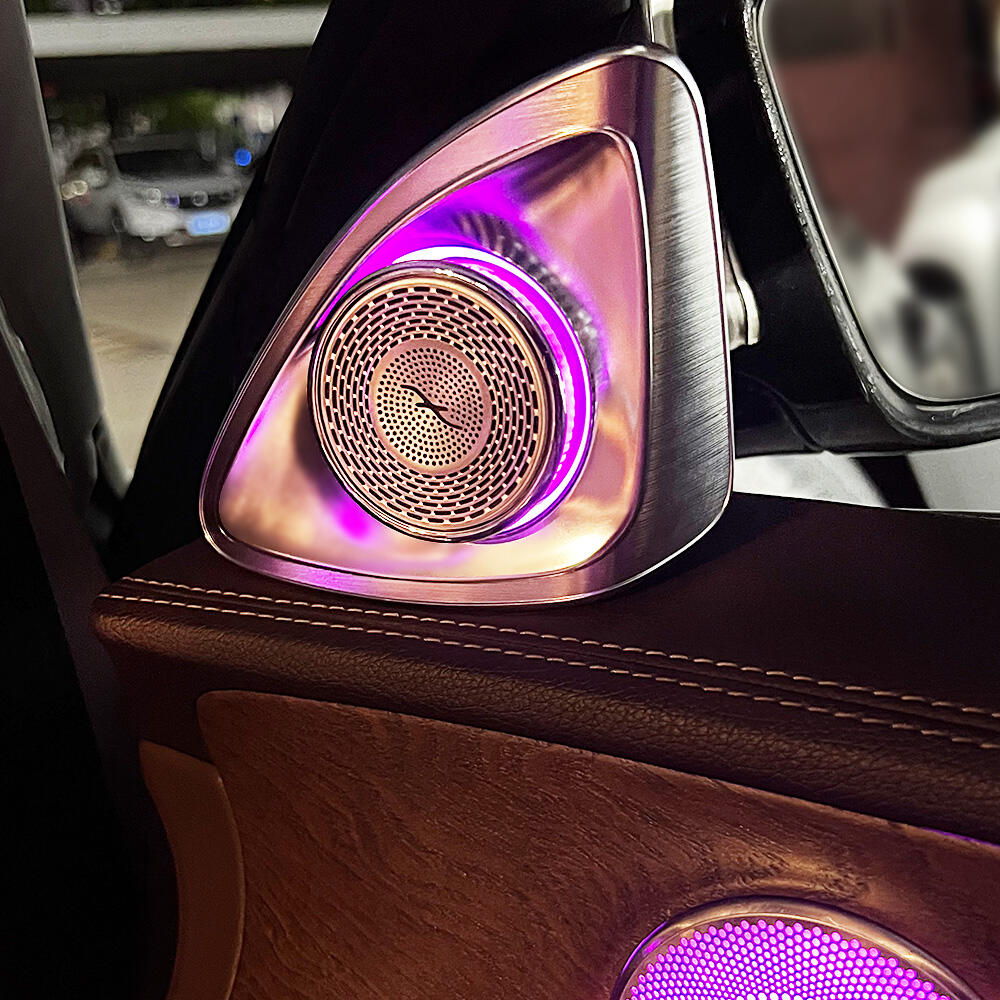
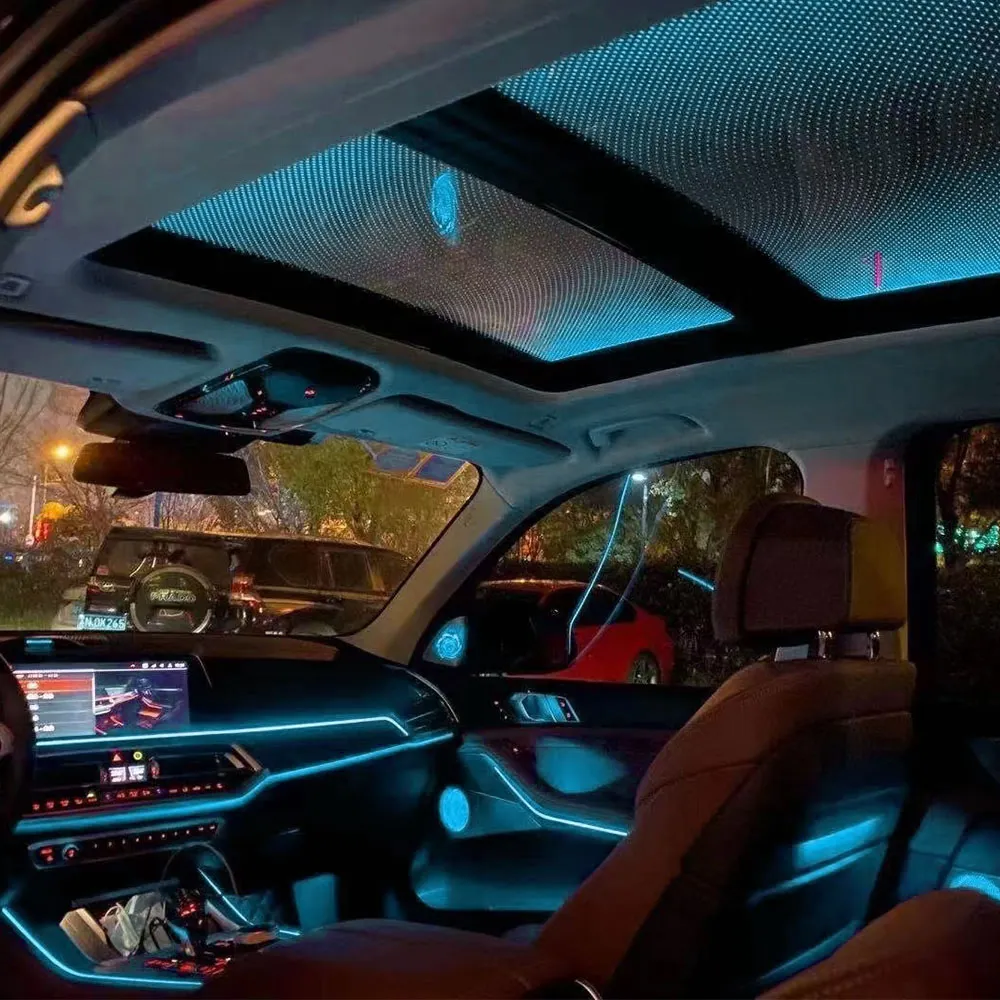
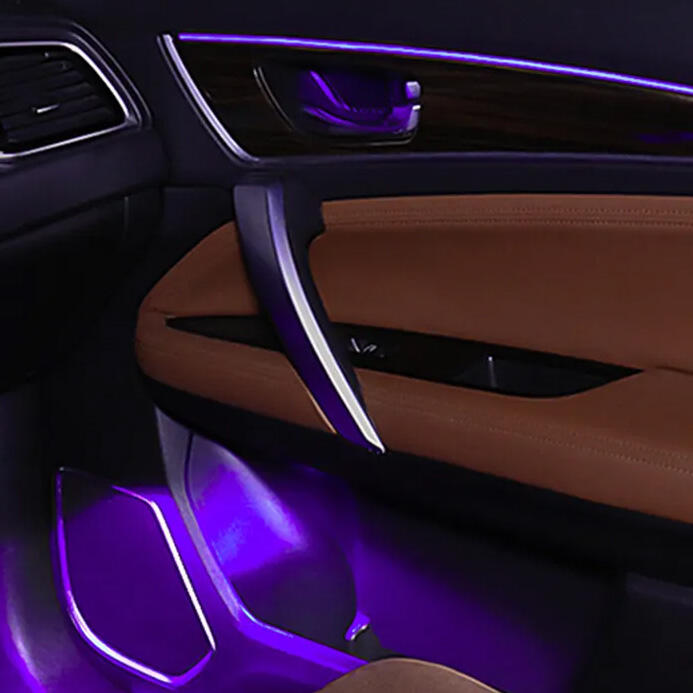
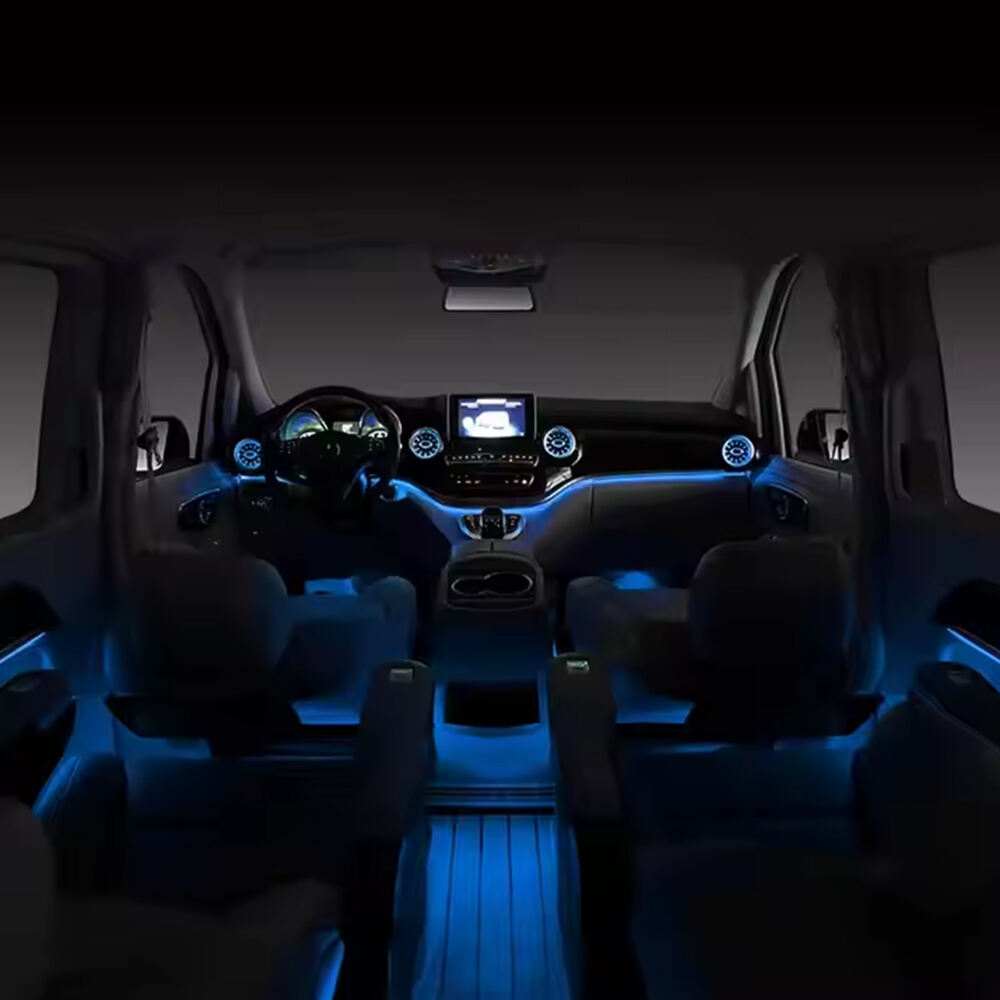
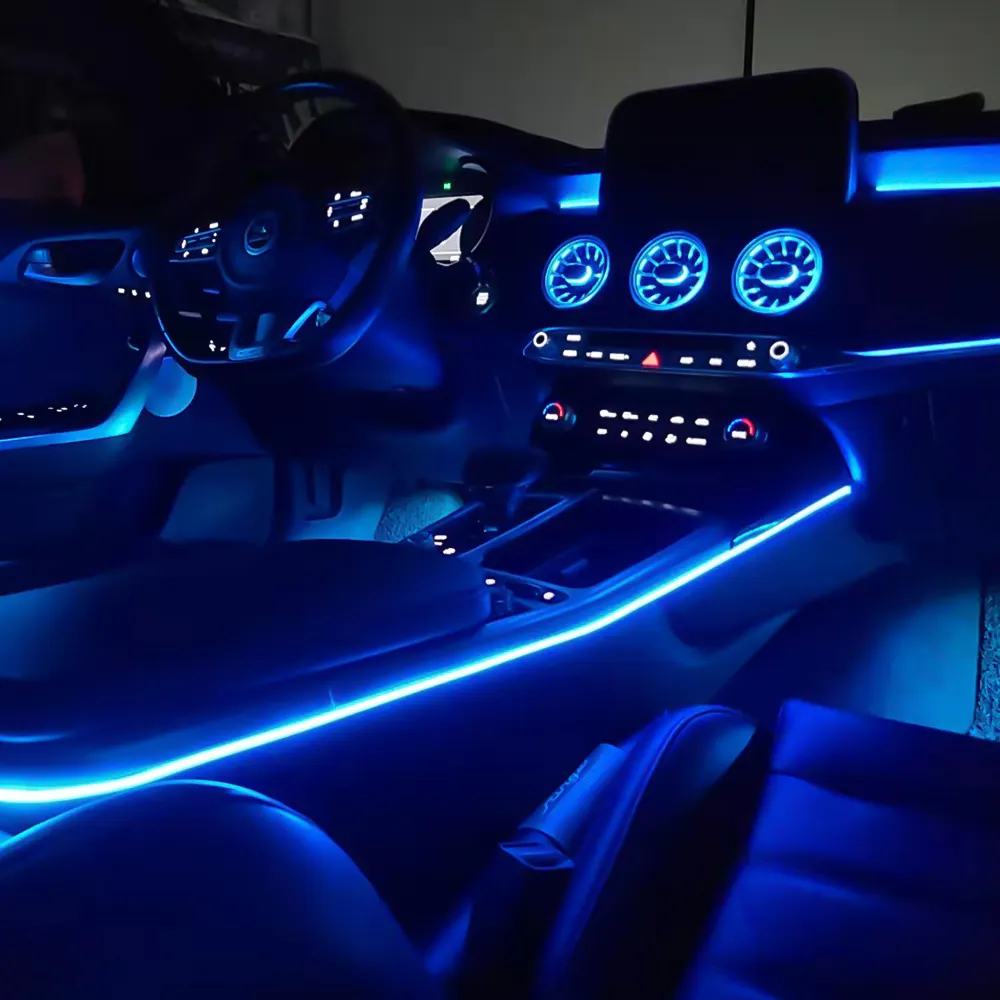
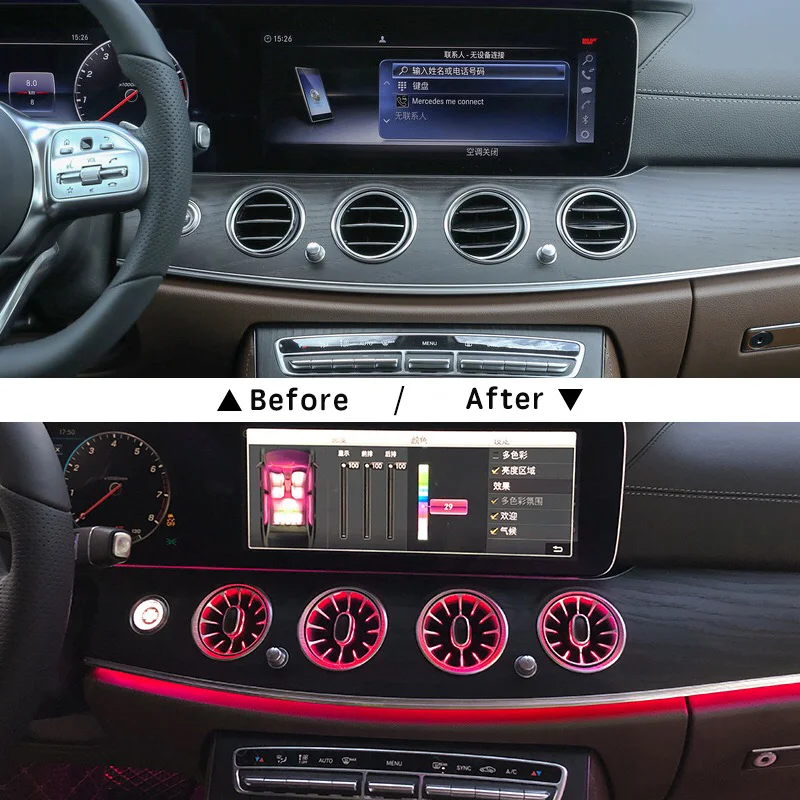
Understanding the W213 Ambient Light System and Its Components
Overview of the W213 Ambient Light System Architecture
The ambient light system in the W213 model works through a distributed setup where different lighting areas communicate across the car's CAN bus network. What sets this apart from those cheap aftermarket lighting packages is how well it actually works with existing components like door sensors and climate settings. The colors can change dynamically depending on whether someone is driving aggressively or just cruising around town, plus they can set their own favorite hues too. The way it's built makes installation much simpler since there's less wiring involved compared to older systems. And bonus? Drivers get access to over 64 distinct colors with pretty accurate color matching when adjusting the ambiance inside the cabin.
Key Hardware Elements: LED Strips, Control Modules, and Connectors
Three core components form the system's foundation:
- LED Strips: Flexible 0.8mm-thick strips with 120 LEDs per meter, rated for 15,000 hours (Kepo Technologies 2024)
- Control Modules: Water-resistant units that translate CAN signals and regulate voltage
- Connectors: Gold-plated terminals designed to maintain signal integrity in high-vibration areas
Proper spacing of these components is critical—automotive lighting research shows it prevents hotspot formation, a common flaw in retrofitted systems.
Common Electrical and CAN Bus Challenges During W213 Ambient Light Installation
How the CAN Bus System Communicates With Ambient Lighting Controls
Ambient lighting in the W213 model works through something called the Controller Area Network, or CAN bus for short. This network handles all those color changes and brightness settings using central electronic controls. The actual signals zip back and forth between the main control unit in the front and those LED strips mounted on the doors pretty fast too, around 500 thousand bits per second. But there's a catch. When people install these systems wrong, things start getting sluggish or certain areas just stop responding altogether. A recent study by Future Market Insights found that almost two-thirds of problems with control modules in aftermarket installations come down to conflicts in how messages get prioritized over the CAN network. This happens quite frequently when trying to retrofit older W213 models made before 2021.
Common Wiring Errors During W213 E-Class Ambient Light Installation Process
Three wiring mistakes are most frequent:
- Inadequate pin alignment in 12.8V CAN connectors, causing intermittent circuit breaks
- Omission of shielded cables near ignition coils, leading to electromagnetic interference (EMI)
- Soldered joints exceeding 25-ohm resistance, triggering overcurrent protection
A 2023 survey of 87 workshops found these errors account for 32% of post-installation electrical faults, often requiring full harness replacement if not caught early. Technicians stress using precision strippers and verifying wire gauges against OEM specs to prevent voltage drops.
Troubleshooting Signal Interference and Module Recognition Issues
Common sources of signal distortion and their solutions include:
| Source | Solution | Success Rate |
|---|---|---|
| Ground loop currents | Install ferrite chokes near ECU | 89% |
| CAN-H/CAN-L crossover | Reprogram STAR tool signal mapping | 94% |
| ESD-induced corruption | Add TVS diodes | 97% |
Post-intervention diagnostics show a 43% reduction in error codes after aligning CAN protocols with ambient lighting control units.
Plug-and-Play Kits vs. Hardwired OEM Integration: Pros and Cons
| Factor | Plug-and-Play Kits | OEM Hardwired |
|---|---|---|
| Installation Time | 1.2 hours (avg.) | 3.5 hours (avg.) |
| Error Frequency | 18% (CAN mismatch common) | 6% (full compatibility) |
| Customization | Limited to preset modes | Full RGBW spectrum |
While plug-and-play kits cut labor costs by 40%, they carry a 28% higher return rate due to limited CAN bus synchronization, according to the 2024 Future Market Insights report. Many certified shops now recommend hybrid solutions—using OEM-grade connectors with programmable decoders—to balance reliability and customization.
Electrical Safety and Power Management in W213 Ambient Light Upgrades
Locating Stable Power Nodes Within the W213 Fuse Box
Begin by consulting the W213 fuse box diagram to identify switched and constant 12V circuits. Professional installers prefer unused ignition-switched terminals to avoid parasitic drain while accommodating the system's average 2.3A load.
Ensuring Car Electrical System Safety During Modifications
All modifications must include insulation resistance testing (minimum 500Ω/V per ISO 6722-1) before connecting to existing circuits. A 2023 facility safety study revealed that 68% of electrical faults originate from improper grounding—particularly critical when installing LED strips near metal door frames or dashboard components.
Fusing Requirements and Overcurrent Protection Standards
Precise fusing is essential for safe operation:
- Primary circuit: 5A mini-blade fuse compliant with ISO 8820-3
- Branch lines: 2A micro-fuses for individual LED zones
Surge protection modules rated for 30kA transient suppression help prevent voltage spikes from damaging CAN communication lines during engine startup, aligning with best practices in lighting control system design.
Professional Shop Insights: Installation Efficiency and Real-World Performance
Installation Benchmark: 3.5 Hours Average Across 12 Certified Shops
Certified shops complete W213 ambient light installations in an average of 3.5 hours, as documented in the Mercedes Technical Report 2024. This efficiency stems from standardized procedures for panel removal and strip alignment, along with pre-calibrated control modules and color-matched connectors that reduce adjustment time by 40% compared to generic kits.
Error Frequency Analysis: CAN Bus Misconfiguration at 42% of Fault Cases
CAN bus misconfigurations represent 42% of post-installation issues, commonly caused by incorrect signal routing or voltage mismatches. The 2023 Automotive Service Association study found that shops using STAR diagnostic tools reduce configuration errors by 78% versus those relying on generic OBD-II scanners.
Technician Feedback on Wire Routing and Concealment in Car Interiors
Over one-third of technicians note that the trim curvature on W213 E-Class models complicates wire concealment around door handles and dash vents. Best practices include using factory-style Tesa tape and routing harnesses parallel to existing climate control lines to maintain a clean, invisible installation.
Quality Assurance Checklist Before Customer Delivery
Final inspections focus on three key metrics:
- Color uniformity across all 64 LED zones
- CAN bus latency below 220ms during brightness changes
- No visible wire protrusions beyond 0.8mm at trim joints
Shops using this 12-point quality checklist report a 91% reduction in callbacks within the first 90 days, according to the 2024 European Auto Workshop Survey.
FAQ Section
What is the W213 ambient light system?
The W213 ambient light system is an advanced lighting setup in Mercedes-Benz vehicles that communicates through the car's CAN bus network, offering over 64 distinct colors and interacting with components like door sensors and climate settings.
How do you install the W213 ambient light system?
Installation involves pre-installation diagnostics, removing dashboard and door panels, routing wires following best practices, and final module activation using the STAR diagnostic tool.
What are common challenges with CAN Bus systems during installation?
Common challenges include misconfiguration causing signal interference, inadequate pin alignment, omission of shielded cables, and soldered joints exceeding recommended resistance levels.
Table of Contents
- Understanding the W213 Ambient Light System and Its Components
- Common Electrical and CAN Bus Challenges During W213 Ambient Light Installation
- Electrical Safety and Power Management in W213 Ambient Light Upgrades
- Professional Shop Insights: Installation Efficiency and Real-World Performance
- FAQ Section