
 EN
EN
Understanding the W205 Ambient Light Market and Key Sourcing Challenges
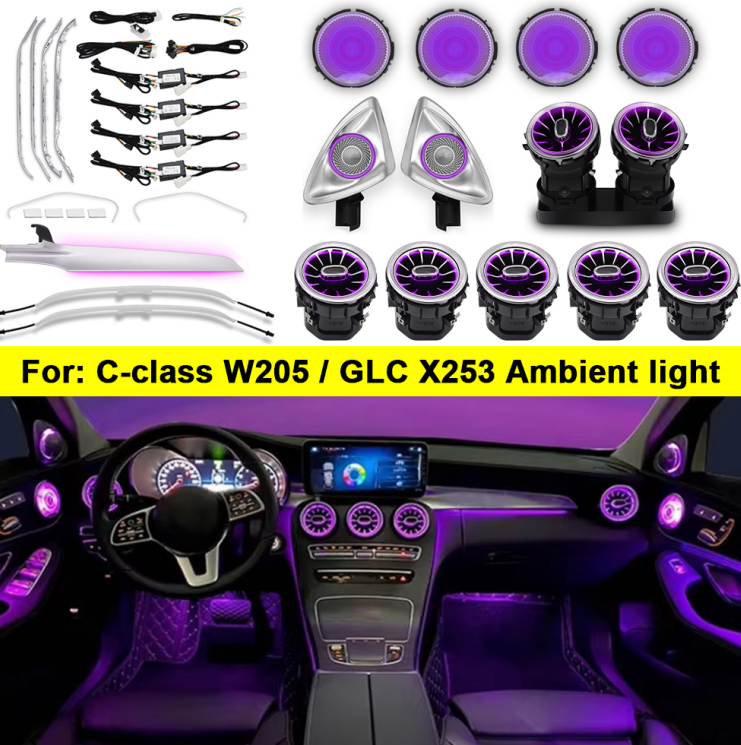
Growing Demand for Mercedes-Benz C-Class (W205) Interior Lighting Upgrades
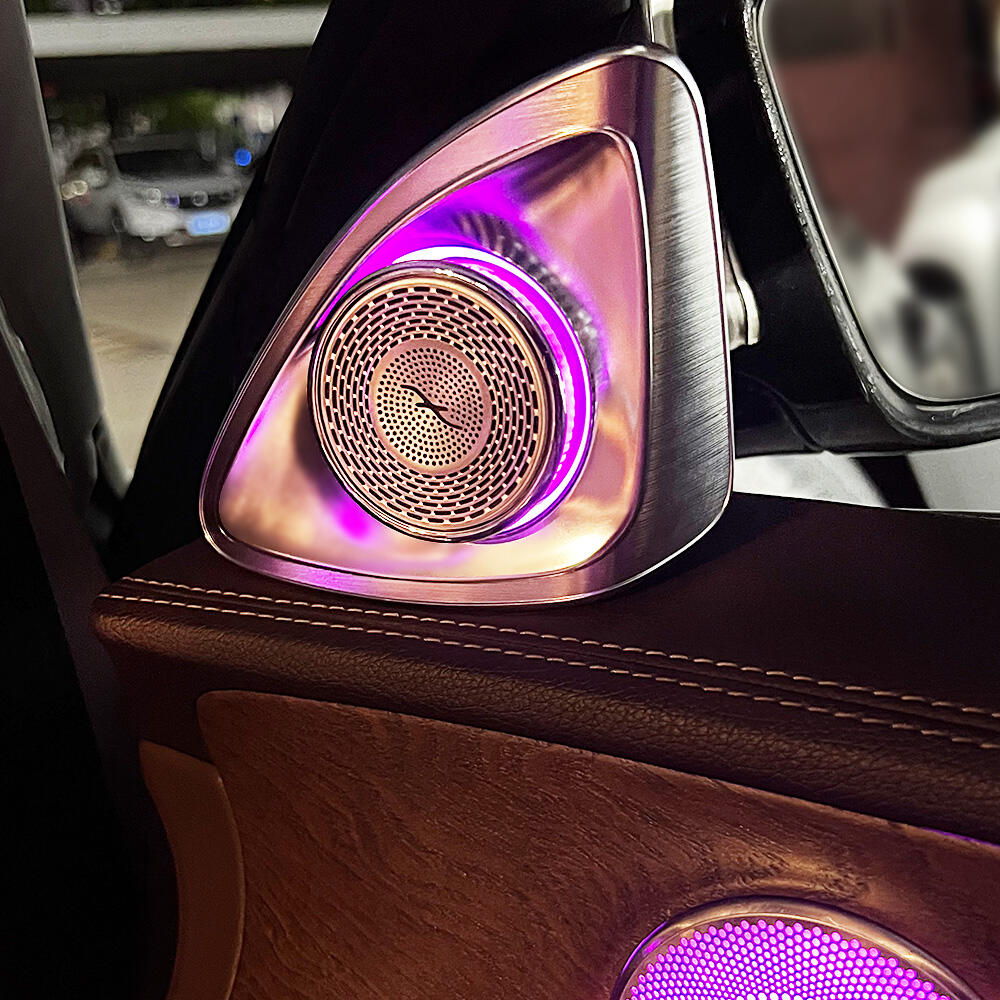
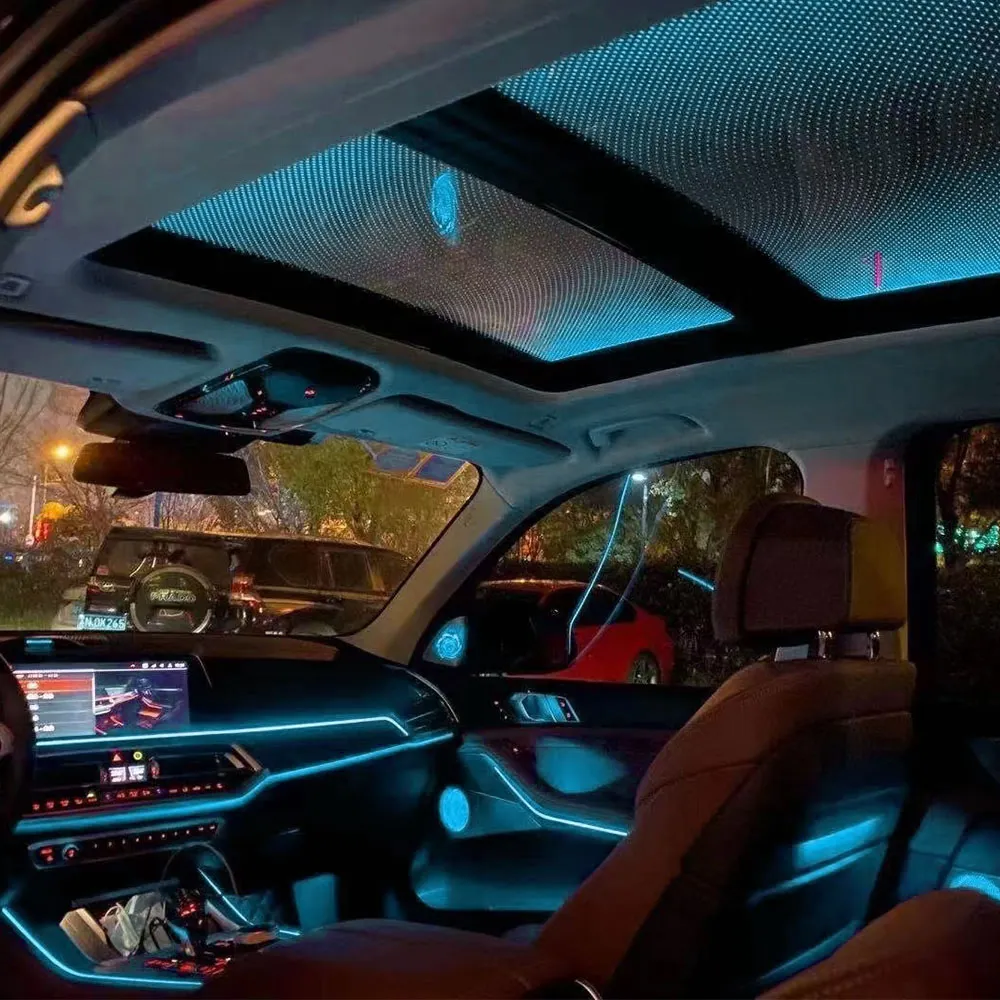
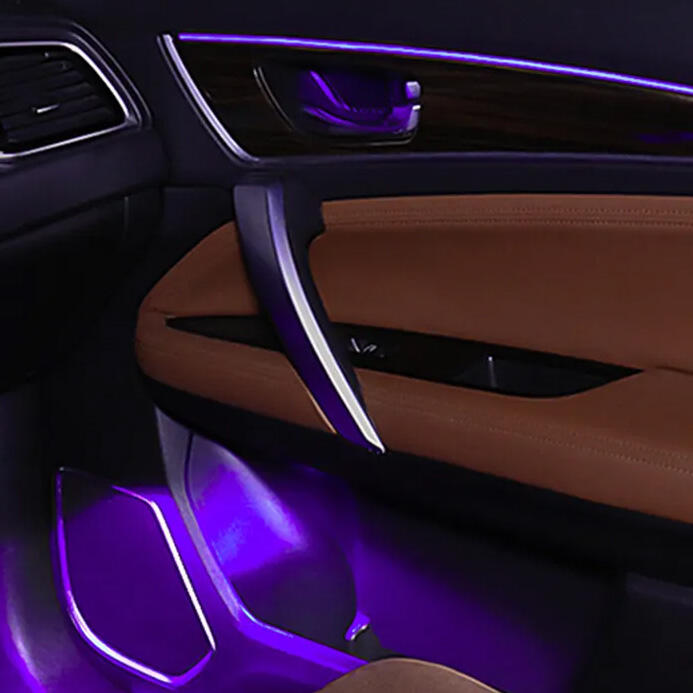
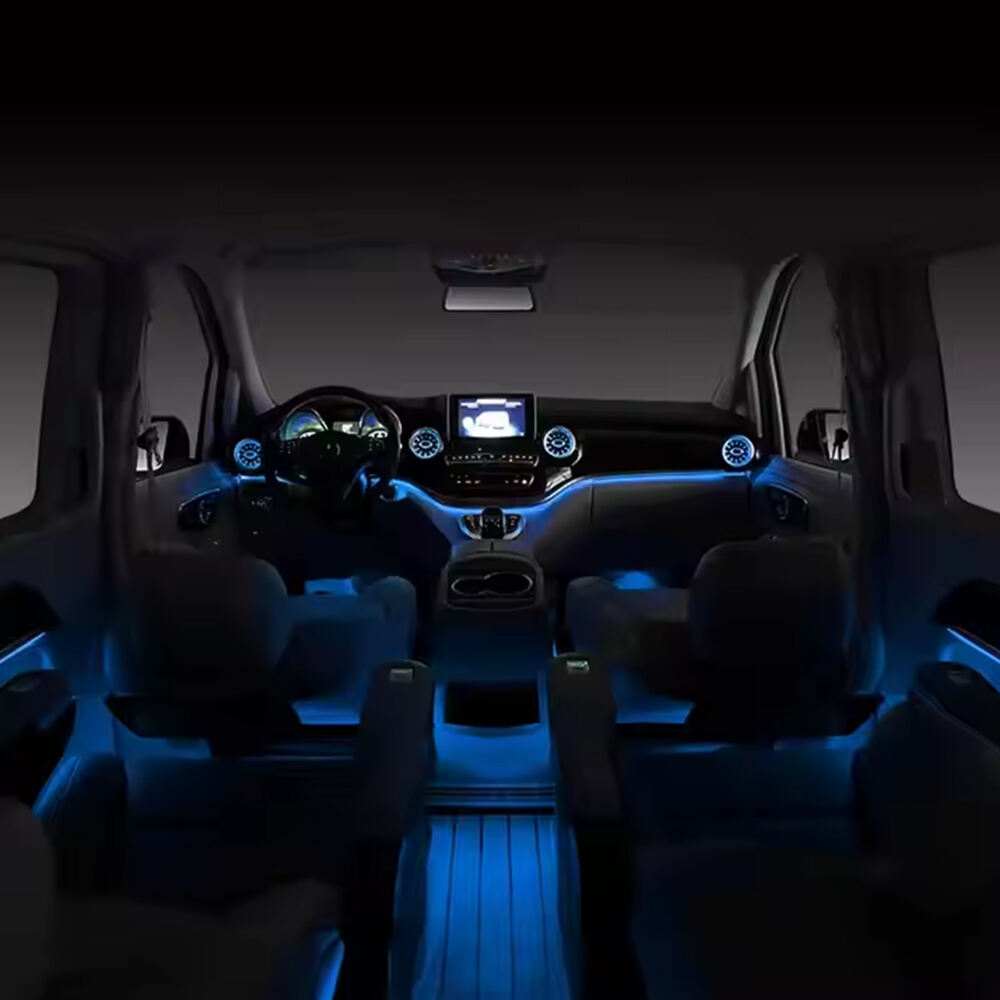
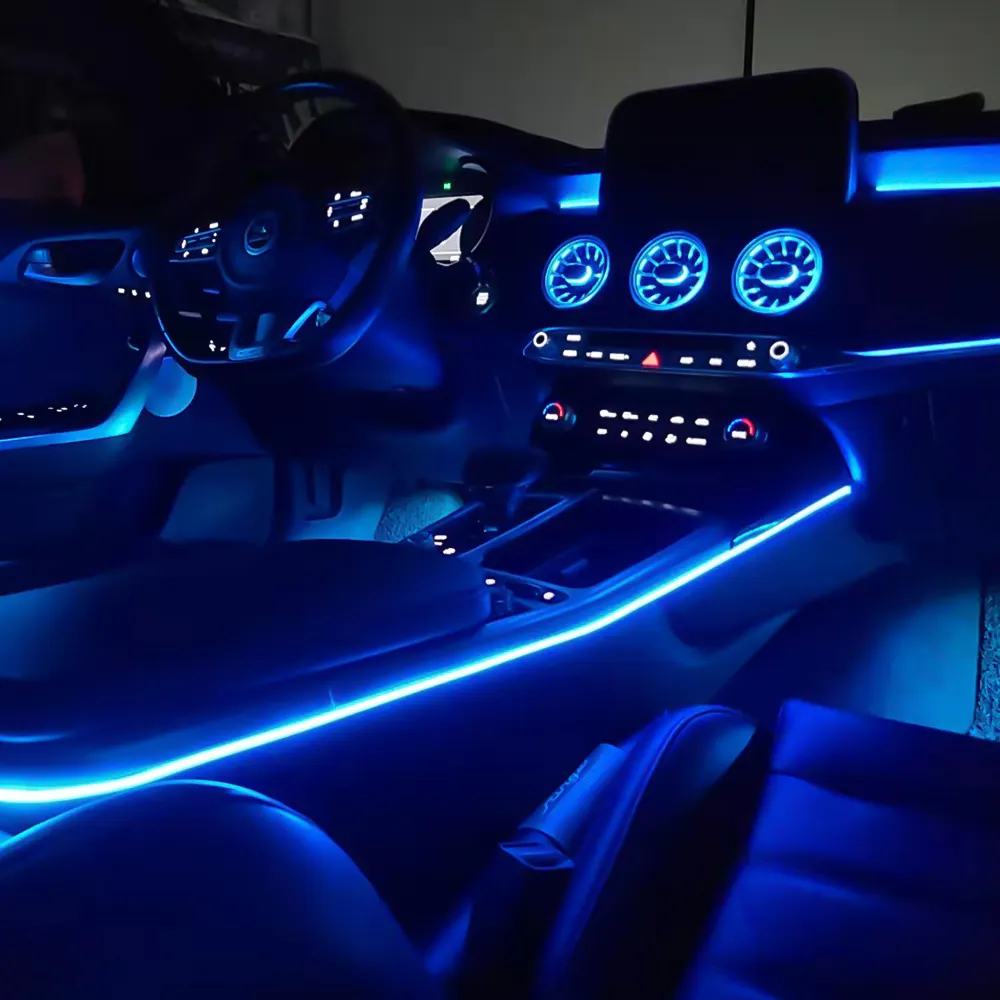
The market for W205 ambient lighting kits is really taking off among luxury car enthusiasts who want to personalize their interiors. According to recent data from the Automotive UX Report in 2023, around two thirds of folks driving high end sedans consider the interior atmosphere super important for how happy they are with their cars. Social media has definitely pushed this trend forward too. Platforms like Instagram are full of videos showing people tweaking their LED setups, changing colors and adjusting brightness levels depending on whether they're driving at night or just want to spruce things up visually. These days, modern LED tech actually works better than before while lasting much longer. So when someone wants to upgrade their car's lighting, it doesn't hurt their wallet too bad anymore since these systems don't drain batteries like older models did.
Essential Criteria: IATF 16949 Certification, Quality Assurance, and Performance Testing
Reliable suppliers must hold IATF 16949 certification—the global automotive quality management standard—ensuring process consistency for electrical components. Beyond certification, verify:
- Performance Testing: IP-rated water resistance and thermal stability reports
- Quality Assurance: In-circuit testing (ICT) protocols for PCB integrity
-
Compliance Documentation: EMC/EMI certifications meeting FCC and CE directives
Suppliers lacking documented testing procedures risk premature LED failure or electrical interference in Mercedes-Benz systems.
Common Risks in Aftermarket W205 Ambient Light Supplier Selection
Aftermarket sourcing carries three primary risks:
- Intellectual Property (IP) Infringement: Non-OEM designs triggering legal action
- Inconsistent Quality: Varying luminous intensity (±15%) across batches
-
Counterfeit Components: Substandard IC chips causing color deviation
A 2023 industry analysis showed 40% of untested ambient light samples failed moisture resistance checks within 500 operational hours. Suppliers lacking traceable part pedigrees heighten these risks.
Top Manufacturing Hubs in China: Why Guangdong, Zhejiang, and Jiangsu Dominate W205 Ambient Light Production
Regional Advantages in Automotive Lighting Manufacturing and Supply Chain Integration
The bulk of China's automotive lighting manufacturing - around two thirds according to Industry Analysis 2023 - is concentrated in Guangdong, Zhejiang, and Jiangsu provinces. What makes these areas so dominant? Well, they've built up complete ecosystems with all the necessary components readily available, have workers who specialize in this particular field, and boast pretty advanced research facilities. Most interestingly, there are supplier clusters within about 50 kilometers radius of each other. This setup means manufacturers can get their hands on LEDs, diffusers, and control modules almost instantly, cutting down procurement time by roughly 40% compared to places where suppliers are spread out. The provincial governments have also invested heavily in innovation centers that help new technologies get adopted faster. Take Zhejiang for instance. Their optical engineering centers managed to bring down defects in ambient lighting to something like half a percent by implementing better quality checks with automation. All this clustering creates a really smooth workflow from when a design is first tested until it goes into full scale production for projects like the W205 series.
Logistical Efficiency and Cost Benefits of Partnering with Suppliers in Eastern China
The location along China's eastern coast gives a real edge to exporting W205 ambient lights. Factories in Jiangsu and Zhejiang provinces benefit from top notch port facilities. Take Shanghai and Ningbo ports for instance they handle cargo about 30 percent quicker compared to ports located inland. This means goods typically reach European customers within around 18 days. The whole logistics system cuts down on what companies pay when products arrive at destination by roughly 12 to 15 percent thanks to better organized shipping loads and smoother customs procedures. Local governments also offer tax breaks that help manufacturers cut their per unit costs between 5 and 7 percent while still meeting those strict quality standards required in the auto industry. Plus, the extensive highway and rail networks keep transportation costs low inside China itself, which is why many automotive parts arrive exactly when needed at factories all over the world.
Evaluating Supplier Reliability: Key Performance Indicators for W205 Ambient Light Projects
Critical Metrics: On Time Delivery Rate, Response Time, and Reorder Frequency
To assess reliability in W205 ambient light procurement, prioritize three quantifiable indicators:
- On-time delivery rate (OTD): Suppliers exceeding 95% OTD demonstrate stronger supply chain control—directly impacting project timelines.
- Technical response time: Top manufacturers resolve compatibility or integration queries within 24 hours—critical for Mercedes-Benz C-Class installations.
- Reorder frequency: Partners with 30% repeat orders typically maintain consistent quality. Supply chain analysis shows this correlates with 40% fewer defect claims versus new vendors.
Case Study: Comparing Two W205 Ambient Light Suppliers Using Real Performance Data
A 2023 comparison of suppliers in key manufacturing hubs revealed significant operational differences:
| Performance Indicator | Supplier A | Supplier B | Industry Benchmark |
|---|---|---|---|
| Average OTD Rate (2023) | 98.2% | 89.7% | 95% |
| Technical Response Time | 18 hours | 52 hours | 24 hours |
| Defect Rate per 1000 units | 4.3 | 11.6 | 8 |
| Lead Time Consistency | ±2 days | ±7 days | ±3 days |
Supplier A’s performance stemmed from automated production monitoring and pre-shipment sample testing. Their 78% reorder rate signals high client trust—essential for long-term W205 projects. Always request third-party inspection reports before bulk orders.
Balancing MOQ, Pricing, and Customization in W205 Ambient Light Procurement
Cost vs. Flexibility: Navigating Minimum Order Requirements and Design Adaptability
When looking to get hold of W205 ambient lighting systems, buyers need to juggle several factors including minimum order requirements, unit price points, and what kind of customizations are possible. Most suppliers will throw in volume discounts once orders hit between 200 to 500 units, which can cut down expenses anywhere from 15% all the way to 30% when compared to ordering just a few dozen at a time. Take a look at certified manufacturers under IATF 16949 standards for instance they tend to charge around $55 per unit if someone commits to 300 pieces, whereas smaller runs under 100 units usually come out closer to $78 each. The problem comes when these minimum order thresholds start limiting how much products can actually be tailored. Standard packages generally allow only minor tweaks like changing colors, but anything more sophisticated such as automatic dimming functionality needs special tooling investments and typically demands at least 500 units upfront. And there lies the catch many face in this market big bulk purchases save money upfront but leave little room for adapting designs to specific market needs or local preferences.
The optimal approach involves tiered negotiations:
- Start with standardized RGB modules to meet MOQ thresholds
- Gradually phase in custom elements (OEM-matched connectors, dimming curves)
- Prioritize suppliers offering “modular customization,” where core components remain fixed
For lighting projects targeting specific markets—such as European C-Class variants—this staged strategy maintains 18–22% cost efficiency while allowing iterative design enhancements post-initial orders.
Verification Strategies to Confirm Authenticity and Long-Term Reliability of W205 Suppliers
Proven Methods: Sample Testing, Third-Party Inspections, and Export History Checks
Before placing any large orders, it makes sense to get actual samples tested first for the W205 ambient light specs. This includes checking if the voltage stays stable within that ±5% range and making sure the color temperature is accurate as claimed. Many companies now rely on third party inspectors who come through ISO certified facilities. These folks look at how consistent production really is and check what kind of quality control measures are actually in place. Some studies suggest this kind of inspection can cut down defects by around 40 percent. Another important step is looking at supplier paperwork through customs records. Checking where shipments have gone historically helps tell a story about market acceptance. If a supplier regularly sends products to places like Europe or North America, that usually means they've built some level of trust with buyers there already.
Emerging Trend: Leveraging Digital Platforms for Transparent Supplier Verification
Top manufacturers are turning to digital platforms these days for real time verification needs. These setups allow for automatic factory checks and track components through blockchain security measures. What's really helpful is having immediate access to all those certification records, production schedules, and history of defects. Companies report saving around two thirds of their usual due diligence time when they implement these systems, plus there's better accountability across the board. And let's not forget about the logistics side of things either. Real time dashboards keep tabs on shipment progress points so nothing gets stuck in customs or lost somewhere between ports, which makes a huge difference when dealing with international suppliers.
| Traditional vs. Digital Verification | ||
|---|---|---|
| Method | Validation Time | Key Advantage |
| Physical Sample Testing | 14–21 days | Hands-on quality confirmation |
| Third-Party Inspections | 7–10 days | Objective compliance reporting |
| Digital Platform Analytics | <24 hours | Live supply chain transparency |
This systematic approach safeguards against counterfeit parts and ensures consistent performance across procurement cycles.
Table of Contents
- Understanding the W205 Ambient Light Market and Key Sourcing Challenges
- Top Manufacturing Hubs in China: Why Guangdong, Zhejiang, and Jiangsu Dominate W205 Ambient Light Production
- Evaluating Supplier Reliability: Key Performance Indicators for W205 Ambient Light Projects
- Balancing MOQ, Pricing, and Customization in W205 Ambient Light Procurement
- Verification Strategies to Confirm Authenticity and Long-Term Reliability of W205 Suppliers